Top Foods to Boost Skin Elasticity Naturally
7 mins read
Published Jan 23, 2026

Understanding Skin Elasticity
Skin elasticity refers to the ability of your skin to stretch and then return to its original shape. This property is primarily due to two proteins: collagen and elastin. Collagen provides structure and firmness, while elastin allows the skin to stretch and bounce back. As you age, the production of these proteins decreases, leading to a loss of elasticity. Factors such as sun exposure, smoking, and poor nutrition can accelerate this decline. By focusing on specific nutrients, you can support your skin’s elasticity and overall health.
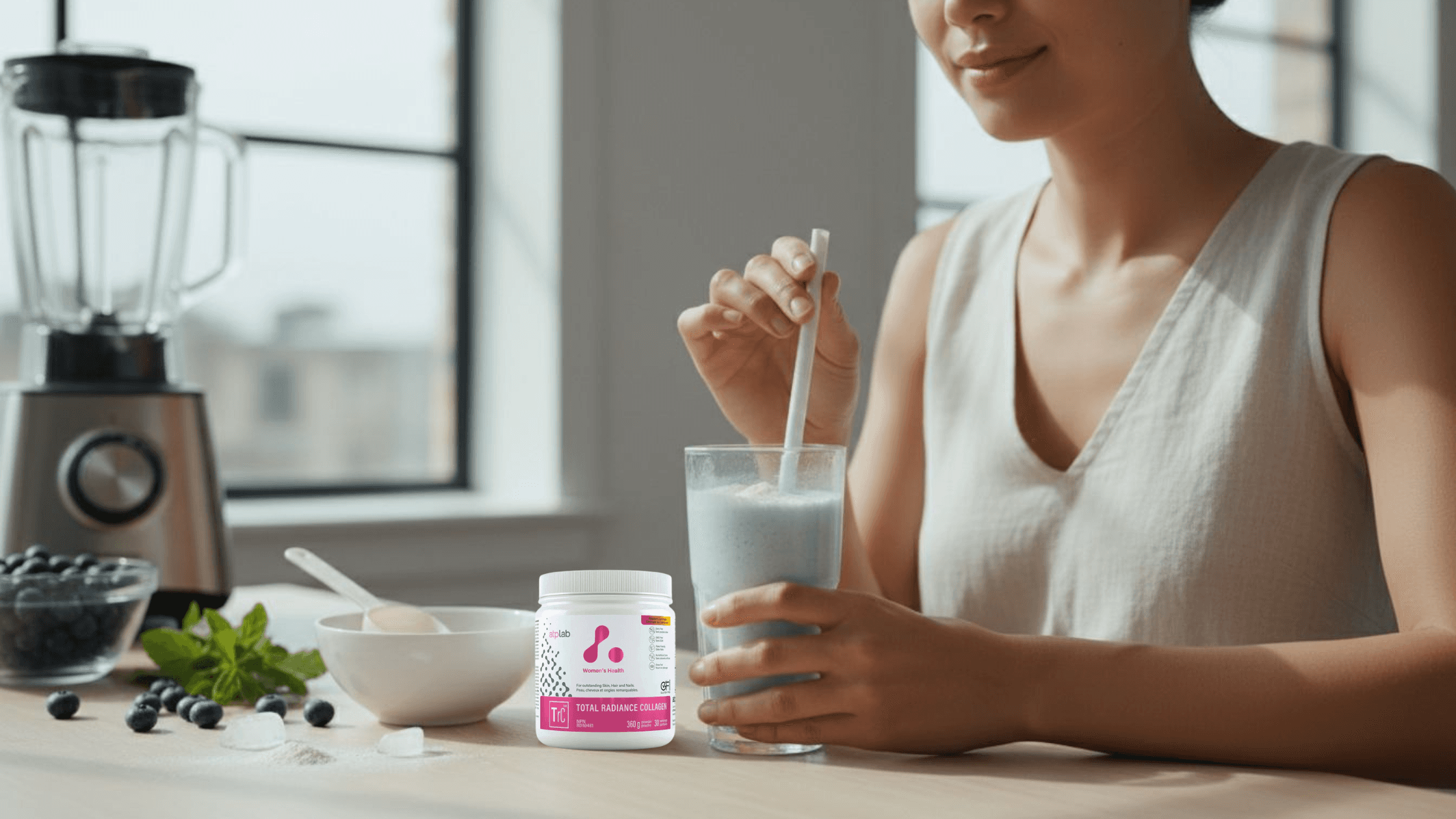
For example, supplementing with collagen peptides can help maintain skin elasticity and firmness. Additionally, antioxidants protect the skin from oxidative stress that can damage collagen and elastin, supporting healthier, more elastic skin.
Vitamin C-Rich Foods
Vitamin C is a powerhouse nutrient when it comes to skin health. It plays a crucial role in collagen synthesis, helping to maintain skin structure and firmness. Foods rich in vitamin C can enhance your skin's elasticity by promoting collagen production and protecting against oxidative stress.
Oranges, grapefruits, lemons, and limes are excellent sources of vitamin C. Incorporating these fruits into your diet can help you meet your daily vitamin C needs. A medium orange contains about 70 mg of vitamin C, which is more than enough to boost collagen production.
Strawberries, blueberries, and blackberries are not only delicious but also packed with antioxidants and vitamin C. For example, one cup of strawberries provides approximately 85 mg of vitamin C. These berries can help combat free radicals, protecting your skin from premature aging.
Red and yellow bell peppers are surprisingly high in vitamin C, containing more than citrus fruits. A single cup of chopped red bell pepper boasts around 190 mg of vitamin C. Adding bell peppers to salads or stir-fries can significantly enhance your skin's elasticity.

Omega-3 Fatty Acids
Omega-3 fatty acids are essential fats that your body cannot produce on its own. They play a vital role in maintaining skin health by supporting cell membrane integrity and reducing inflammation. A diet rich in omega-3s can improve skin hydration and elasticity.
For an easy and effective way to get your omega-3s, you can supplement with omega-3 fatty acids, which provide high-absorption EPA and DHA. This supplement supports skin elasticity, cardiovascular health, and overall wellness.
Antioxidant-Rich Foods
Antioxidants are compounds that protect your cells from oxidative stress caused by free radicals. By neutralizing these harmful molecules, antioxidants can help maintain skin elasticity and prevent premature aging.
Spinach, kale, and Swiss chard are loaded with antioxidants, vitamins, and minerals that promote skin health. These greens are particularly high in vitamins A, C, and K, all of which contribute to skin elasticity. Incorporating a variety of dark leafy greens into your meals can provide a significant boost to your skin’s resilience.
Nuts, such as almonds and walnuts, and seeds like sunflower seeds are rich in vitamin E, an antioxidant that helps protect skin cells from oxidative damage. A handful of nuts or seeds can not only provide essential fatty acids but also enhance your skin's elasticity by promoting overall skin health.
Hydrating Foods
Proper hydration is essential for maintaining skin elasticity. Dehydrated skin can appear dull and saggy, making hydration a crucial factor in skin health. Certain foods can help you stay hydrated while also providing nutrients that support skin elasticity.
Cucumbers are composed of about 95% water, making them an excellent hydrating snack. They also contain silica, a compound that supports collagen production. Adding cucumbers to salads or enjoying them as a snack can help keep your skin hydrated.
Watermelon is another hydrating fruit that can benefit your skin. With a high water content and vitamins A and C, it helps maintain skin moisture and elasticity. Enjoy watermelon slices on hot days or blend them into refreshing smoothies.
Protein Sources
Protein is vital for the production of collagen and elastin, the two proteins responsible for skin elasticity. Including adequate protein in your diet can help support skin structure and overall health.
Chicken, turkey, and lean cuts of beef are excellent sources of protein. They provide amino acids necessary for collagen synthesis. Incorporating these proteins into your meals can help support your skin’s elasticity.
If you follow a vegetarian or vegan diet, consider incorporating legumes, lentils, and quinoa. These plant-based proteins are rich in amino acids and can support collagen production. Adding a variety of these foods to your diet can help ensure you’re getting the necessary nutrients for skin health.

What nutrients are essential for improving skin elasticity?
How does hydration affect skin elasticity and what foods can help?
Are there specific vitamins that promote skin elasticity in foods?
Can antioxidants in food contribute to better skin elasticity?
What role does collagen play in skin elasticity and which foods boost it?
How does a balanced diet influence skin elasticity over time?


Get your personalized supplement match today — and join the future of data-driven wellness.