Coconut Oil for Underarm Care: Benefits, Uses, and What to Know
7 mins read
Published Jan 23, 2026

The Composition of Coconut Oil
Coconut oil is derived from the fruit of the coconut palm (Cocos nucifera) and is primarily composed of saturated fats, particularly medium-chain triglycerides (MCTs). The most notable MCTs in coconut oil include lauric acid, caprylic acid, and capric acid. These fatty acids are known for their antimicrobial properties, which can be particularly beneficial in areas prone to moisture and bacteria, such as the underarms.
The unique composition of coconut oil allows it to penetrate the skin effectively, providing hydration while also creating a barrier that can help protect against environmental irritants. This makes it a popular choice for those seeking natural alternatives to conventional deodorants and antiperspirants.
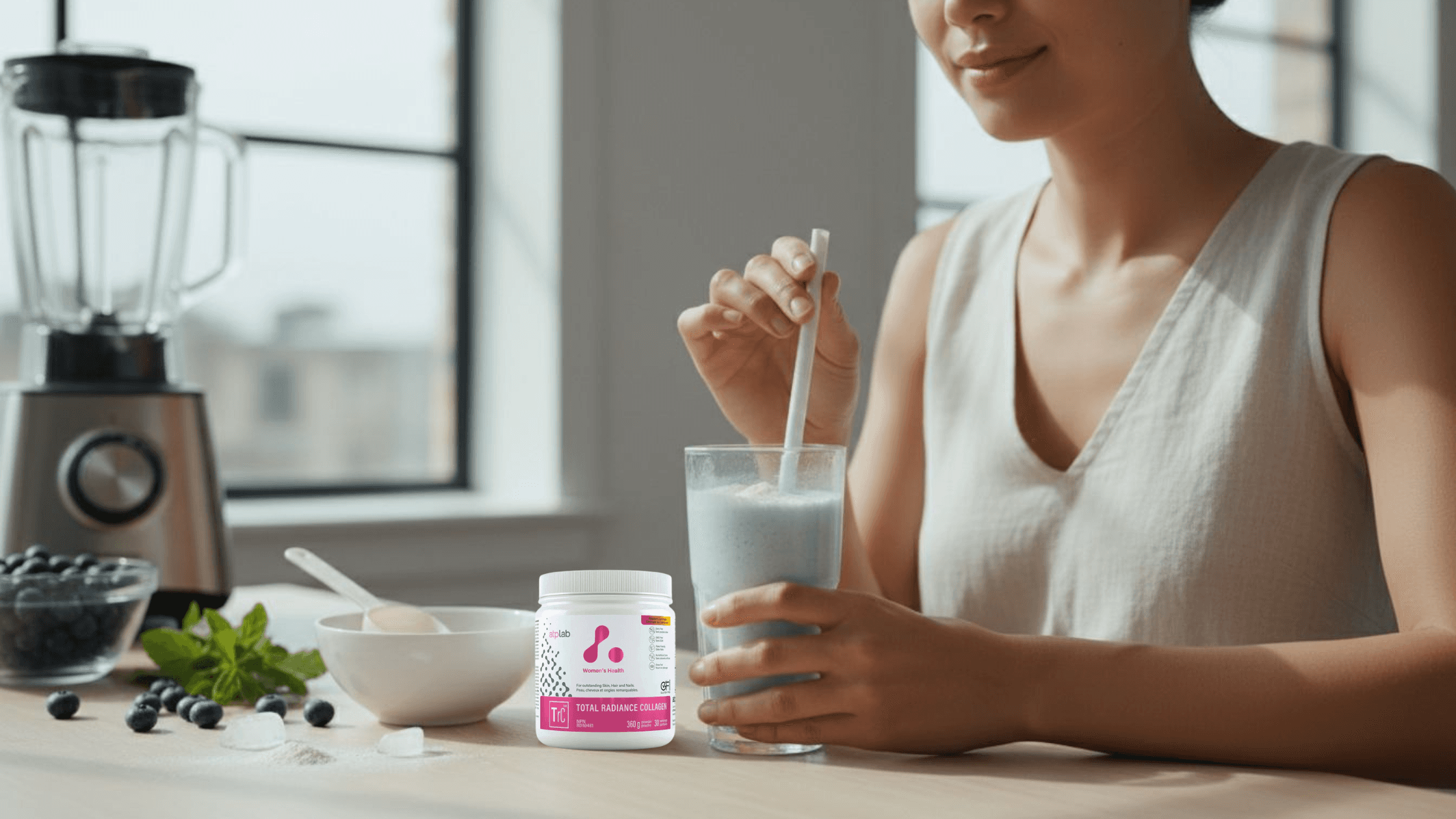
To further support skin health and enhance the benefits of coconut oil, consider incorporating supplements that promote skin elasticity and hydration. One effective option is collagen supplements, which help maintain skin structure, improve moisture retention, and support a youthful appearance.
Other supportive supplements include:
Zinc supplements: Support overall skin vitality and immune function, indirectly benefiting skin health.
Antioxidant supplements: Help protect the skin from oxidative stress and environmental damage.
Vitamin D3 + K2 supplements: Contribute to overall wellness, supporting healthy skin from the inside out.
By combining topical care with coconut oil and targeted supplements, you can create a holistic approach to skin health and maintenance, keeping areas like the underarms nourished, protected, and hydrated.
Antimicrobial Properties
One of the primary benefits of using coconut oil for your underarms is its antimicrobial properties. The lauric acid in coconut oil can help inhibit the growth of bacteria and fungi, which is particularly useful in underarm care where odor-causing microbes tend to accumulate.
Regular application of coconut oil may help reduce these microbes and promote fresher-smelling skin throughout the day. Tools like AI-MD can track changes in your underarm condition and provide personalized guidance on the most effective way to incorporate coconut oil into your routine.

Moisturizing Benefits
In addition to its antimicrobial properties, coconut oil is an excellent moisturizer. The fatty acids in coconut oil can help to hydrate and nourish the skin, making it an effective solution for those with dry or sensitive underarm skin.
When you apply coconut oil, it forms a protective barrier on the skin, which helps to lock in moisture. This is particularly beneficial after shaving, as the skin can become irritated and dry. By using coconut oil, you can soothe the skin and reduce the likelihood of razor burn or ingrown hairs.
Natural Deodorant Alternative
Many people are turning to natural alternatives for deodorant due to concerns about the ingredients found in conventional products. Coconut oil can serve as a base for homemade deodorants, allowing you to control what goes on your skin.
To create a simple coconut oil deodorant, you can mix coconut oil with baking soda and essential oils of your choice. The baking soda helps to neutralize odors, while the essential oils can provide a pleasant fragrance. This combination can be effective in combating underarm odor without the use of synthetic fragrances or harmful chemicals.
However, it's important to note that while coconut oil can help reduce odor, it does not contain antiperspirant properties. If you tend to sweat heavily, you may need to consider additional methods for managing perspiration.
Skin Sensitivity and Allergies
While coconut oil is generally well-tolerated, some individuals may experience skin sensitivity or allergic reactions. If you have sensitive skin or a history of allergies, it's advisable to conduct a patch test before applying coconut oil to your underarms.
To perform a patch test, apply a small amount of coconut oil to a discreet area of skin, such as the inside of your wrist, and wait 24 hours to see if any irritation occurs. If you experience redness, itching, or swelling, it may be best to avoid using coconut oil on your underarms.
Additionally, if you're using coconut oil in conjunction with other skincare products, be mindful of potential interactions. Some ingredients may not mix well with coconut oil, leading to irritation or reduced effectiveness.
Application Tips
When incorporating coconut oil into your underarm care routine, there are a few tips to keep in mind for optimal results:
Choose High-Quality Coconut Oil: Look for organic, virgin coconut oil to ensure you're using a product free from additives and chemicals.
Warm the Oil: Coconut oil solidifies at cooler temperatures. If your coconut oil is solid, you can warm it slightly in your hands or use a small container in warm water to liquefy it before application.
Apply Sparingly: A little goes a long way. Use a small amount of coconut oil and gently massage it into your underarm skin.
Allow to Absorb: Give the oil some time to absorb into your skin before getting dressed. This will help prevent any transfer of oil to your clothing.
Reapply as Needed: Depending on your activity level and personal preferences, you may need to reapply coconut oil throughout the day.
By following these tips, you can effectively incorporate coconut oil into your underarm care routine and enjoy its benefits.

Can coconut oil help with underarm odor?
How do you apply coconut oil to your underarms?
What are the benefits of using coconut oil for underarm care?
Is coconut oil safe for sensitive skin underarms?
How does coconut oil compare to traditional deodorants?
Can coconut oil be used as a natural remedy for underarm irritation?

Get your personalized supplement match today — and join the future of data-driven wellness.