Prenatal and DHA: The Importance of DHA in Prenatal Nutrition
7 mins read

What is DHA?
DHA is an omega-3 fatty acid predominantly found in fish, algae, and certain types of nuts and seeds. It is a vital component of cell membranes and plays a significant role in brain and eye development. Since the body cannot produce sufficient DHA on its own, it must be obtained through diet or supplementation, making it especially important for pregnant individuals.
During pregnancy, your body requires additional DHA to support the rapid growth and development of your baby. The fetal brain undergoes significant development during the third trimester, and DHA is a key nutrient in this process. Adequate DHA intake during pregnancy is associated with improved cognitive function and visual acuity in infants.
You can support your DHA intake through foods like fatty fish, or consider DHA supplements to help meet your nutritional needs.
The Role of DHA in Fetal Development
DHA is integral to the development of the fetal brain and retina. Approximately 97% of the omega-3 fatty acids in the brain are DHA, highlighting its importance in neural development. As your baby grows, DHA accumulates in the brain and eyes, influencing neural pathways and visual function.
Infants whose mothers consume sufficient DHA during pregnancy tend to have better cognitive outcomes, including stronger problem-solving skills and attention. DHA also supports the development of synapses—the connections between neurons—which are crucial for cognitive and sensory functions.
Additionally, DHA contributes to the production of neuroprotectin D1, a molecule that helps protect brain cells from injury and inflammation. This neuroprotective effect is vital for supporting optimal brain health during critical stages of fetal development.
You can help meet your DHA needs through diet or by incorporating DHA supplements into your prenatal routine.
Sources of DHA
To ensure you're getting enough DHA during pregnancy, it's vital to incorporate rich sources of this essential fatty acid into your diet. The most effective sources of DHA are fatty fish, such as salmon, mackerel, sardines, and trout. These fish not only provide DHA but are also rich in other beneficial nutrients like protein and vitamin D.
If you're not a fan of fish or follow a vegetarian or vegan diet, consider algae-based supplements, which are a direct source of DHA. Algal oil supplements are derived from algae and provide a plant-based alternative that is free from the contaminants often found in fish.
In addition to fish and algae, walnuts and flaxseeds contain alpha-linolenic acid (ALA), another type of omega-3 fatty acid. While ALA can be converted into DHA in the body, the conversion rate is relatively low. Therefore, relying solely on ALA may not provide sufficient DHA levels for optimal prenatal nutrition.
Recommended DHA Intake During Pregnancy
The recommended daily intake of DHA during pregnancy generally ranges around 200–300 mg per day, which is considered supportive of fetal brain and eye development. Some studies suggest that higher intakes may be beneficial, especially for those who do not get enough DHA from dietary sources.
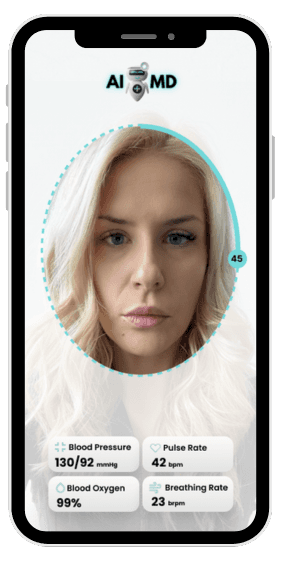
When considering DHA supplementation, paying attention to how your body responds is important. AI-MD can help you track subtle physiological changes, such as energy levels, circulation, and overall wellness patterns, giving you personalized insights into how DHA intake fits your pregnancy nutrition plan.
Potential Benefits of Adequate DHA Intake
In addition to supporting brain and eye development, adequate DHA intake during pregnancy may offer several other health benefits. Research suggests that sufficient DHA levels can help reduce the risk of preterm birth and low birth weight. Some studies have also indicated that DHA may play a role in reducing the risk of postpartum depression.
Furthermore, DHA has anti-inflammatory properties, which can be beneficial during pregnancy. Chronic inflammation is linked to various pregnancy complications, and maintaining optimal DHA levels may help mitigate these risks.
Additionally, DHA may support maternal health by promoting cardiovascular health. Omega-3 fatty acids are known to help regulate blood pressure and triglyceride levels, contributing to overall heart health during pregnancy.
Considerations and Precautions
While DHA is essential for prenatal nutrition, it’s important to approach supplementation and dietary choices thoughtfully. Some fish may contain high levels of mercury and other environmental toxins, which can affect both you and your developing baby. Limiting consumption of high-mercury fish—such as swordfish, shark, and king mackerel—is recommended.
When choosing fish, opt for varieties that are lower in mercury and rich in omega-3s, like salmon, sardines, and anchovies. If considering supplements, select high-quality products that have been tested for purity and contaminants.
AI-MD can help you observe subtle wellness signals, such as energy patterns and circulatory responses, providing insight into how your diet or DHA supplements are affecting your overall state during pregnancy.
In summary, DHA is a vital nutrient supporting both fetal development and maternal health. By understanding its importance and paying attention to how your body responds to dietary sources or supplementation, you can make more informed, data-driven choices that support your wellness journey.
With AI-MD, you can track these patterns over time, helping you adjust nutrition and supplementation in a way that aligns with your body’s needs—without guesswork.

What is the role of DHA in prenatal development?
How much DHA should be included in prenatal vitamins?
Can DHA supplementation during pregnancy affect fetal brain development?
What are the dietary sources of DHA for pregnant women?
Is it safe to take DHA supplements during pregnancy?
How does DHA impact maternal health during pregnancy?


Get your personalized supplement match today — and join the future of data-driven wellness.