Understanding Prenatal Packs: What You Need to Know
7 mins read

The Importance of Prenatal Vitamins
Prenatal vitamins are specially formulated supplements designed to meet the increased nutritional demands of pregnancy. During this time, your body undergoes significant physiological changes, and the developing fetus requires a variety of nutrients to grow healthily. Key vitamins and minerals found in prenatal packs include folic acid, iron, calcium, and DHA, among others.
Folic acid is particularly important as it helps prevent neural tube defects, which can affect the brain and spinal cord of the developing fetus. The recommended daily intake of folic acid during pregnancy is 600 micrograms, which is higher than the 400 micrograms recommended for women of childbearing age. Iron is another critical component, as it supports the increased blood volume and helps prevent anemia, a common condition during pregnancy. Calcium is essential for the development of the baby's bones and teeth, while DHA, an omega-3 fatty acid, supports brain and eye development. A prenatal supplement that provides iron and folic acid can help meet these nutritional needs.
Key Nutrients in Prenatal Packs
Understanding the specific nutrients in prenatal packs can help you make informed choices.
Here’s a closer look at some of the most important components:
Folic Acid: As mentioned, folic acid is vital for preventing neural tube defects. It also plays a role in DNA synthesis and cell division, which are crucial during the rapid growth phases of pregnancy.
Iron: Iron is necessary for the production of hemoglobin, the protein in red blood cells that carries oxygen. During pregnancy, your blood volume increases, necessitating higher iron levels to ensure both you and your baby receive adequate oxygen.
Calcium: This mineral is not only essential for your baby's bone development but also helps prevent maternal bone density loss. If your dietary intake of calcium is insufficient, your body will draw from your bones to meet the needs of the fetus.
DHA: This omega-3 fatty acid is important for the development of the fetal brain and retina. Studies suggest that adequate DHA intake during pregnancy may also support cognitive development in children.
Vitamin D: This vitamin aids in calcium absorption and is crucial for bone health. It also supports immune function, which can be particularly beneficial during pregnancy.
Iodine: Essential for thyroid function, iodine is necessary for the production of thyroid hormones that regulate metabolism and are critical for fetal growth and development.
Choosing the Right Prenatal Pack
Quality and Purity: Opt for prenatal packs that are third-party tested. This helps ensure the supplements contain exactly what’s listed on the label and are free from contaminants.
Dosage: Pay attention to the amounts of key nutrients. Some packs may have too much of certain vitamins or minerals—for instance, excessive vitamin A can be toxic, and iron should be carefully dosed to prevent digestive issues.
Formulation: Prenatal packs come in tablets, capsules, gummies, and powders. Pick a form that’s easy for you to take consistently, as adherence is key to effectiveness.
Dietary Considerations: If you follow a vegetarian or vegan diet, choose packs formulated to meet those needs. Certain nutrients, like DHA, may come from fish oil, so plant-based alternatives might be necessary.
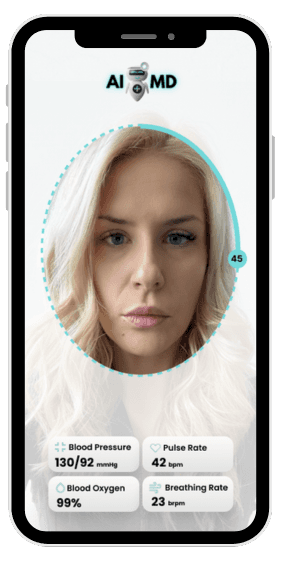
Personalized Guidance: AI‑MD can help you assess which prenatal pack is best suited to your health profile, diet, and lifestyle. By analyzing your wellness signals, it offers insights that make supplement selection safer and more effective.
Potential Side Effects and Considerations
While prenatal packs are generally safe and beneficial, some women may experience side effects. Common issues include nausea, constipation, or gastrointestinal discomfort, particularly with iron supplements. If you encounter these side effects, consider trying a different formulation or taking your supplements with food to mitigate discomfort.
Additionally, it’s important to remember that prenatal vitamins are meant to supplement a healthy diet, not replace it. Focus on consuming a balanced diet rich in fruits, vegetables, whole grains, lean proteins, and healthy fats to ensure you’re meeting your nutritional needs during pregnancy.
The Role of Lifestyle in Prenatal Health
In addition to taking prenatal packs, adopting a healthy lifestyle is crucial for optimal pregnancy health. Regular physical activity, adequate hydration, and stress management can all contribute to a healthier pregnancy. Engaging in moderate exercise, such as walking or prenatal yoga, can help improve circulation, reduce stress, and promote overall well-being.
Furthermore, prioritize sleep and rest, as your body requires more energy during pregnancy. Establishing a consistent sleep routine can help you feel more rested and prepared for the demands of pregnancy and motherhood.
The Bottom Line
Prenatal packs can play a key role in supporting both your health and your baby’s development during pregnancy. By knowing the essential nutrients they provide and selecting a pack tailored to your needs, you can take proactive steps for a healthier pregnancy. AI‑MD can help guide your supplement choices based on your unique health profile and wellness patterns. Pairing prenatal packs with a balanced diet, regular exercise, and self-care creates a holistic approach that enhances your overall pregnancy experience.

What are the essential components of a prenatal pack?
How do prenatal packs support maternal health during pregnancy?
Can prenatal packs be customized for individual needs?
What is the difference between prenatal packs and regular vitamins?
Are there any specific dietary guidelines to follow with prenatal packs?
How should prenatal packs be stored for maximum effectiveness?



Get your personalized supplement match today — and join the future of data-driven wellness.