Understanding Healthy HRV Ranges: What You Need to Know?
7 mins read

What is Heart Rate Variability?
Heart Rate Variability refers to the variation in time intervals between consecutive heartbeats. Unlike a steady heartbeat, your heart does not beat at regular intervals; instead, the time between beats fluctuates. This variability is primarily controlled by the autonomic nervous system, which has two branches: the sympathetic nervous system (responsible for the "fight or flight" response) and the parasympathetic nervous system (which promotes "rest and digest" functions).
A higher HRV indicates a robust ability to adapt to stress and recover, while a lower HRV may suggest a lack of resilience and potential health issues. Understanding your HRV can provide insights into your overall well-being, stress levels, and recovery from exercise.
Measuring HRV with Wearables
With the rise of wearable technology, tracking your HRV has never been easier. Devices such as smartwatches, fitness trackers, and dedicated HRV monitors can provide real-time data on your heart's variability. These devices typically use photoplethysmography (PPG) or electrocardiogram (ECG) technology to measure the time intervals between heartbeats accurately.
When using wearables to measure HRV, it is essential to follow consistent practices for accurate readings. Ideally, you should measure your HRV at the same time each day, preferably in the morning after waking up. This consistency helps eliminate variables that could skew your results, such as physical activity, stress, or caffeine intake.
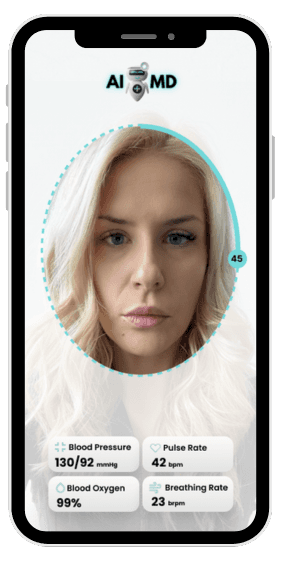
Complementing wearable tracking, AI-MD offers a free, quick scan using your smartphone to provide additional insights into your body’s current wellness. By analyzing subtle signals from your face, breath, and voice, AI-MD helps you see how your daily routines, sleep, and recovery habits may be affecting your heart rhythm and overall stress levels, giving you a clearer picture alongside your HRV data.
Factors Influencing HRV
Several factors can influence your HRV, and understanding these can help you interpret your readings more effectively.
Key factors include:
Age: HRV tends to decrease with age. Younger individuals usually exhibit higher HRV, while older adults may see a decline due to changes in the autonomic nervous system.
Fitness Level: Regular physical activity is associated with higher HRV. Endurance athletes often have elevated HRV due to improved cardiovascular fitness and autonomic regulation.
Stress: Psychological stress can lead to lower HRV. Chronic stress activates the sympathetic nervous system, reducing variability and indicating a less adaptable state.
Sleep Quality: Poor sleep can negatively impact HRV. Quality sleep enhances recovery and promotes a balanced autonomic nervous system.
Nutrition: Diet can also play a role in HRV. A balanced intake of antioxidants, omega-3 fatty acids, and other key nutrients supports heart health and may help improve HRV. Incorporating omega-3 supplements is one convenient way to ensure you’re getting enough of these heart-supporting nutrients.
Hydration: Dehydration can lead to reduced blood volume and increased heart rate, which may lower HRV. Staying adequately hydrated is crucial for maintaining optimal heart function.
Understanding Healthy HRV Ranges
Healthy HRV ranges can vary significantly between individuals due to factors like age, fitness level, and overall health.
However, some general guidelines can help you gauge your HRV:
Young Adults (18-25 years): A healthy HRV range is typically between 60-100 milliseconds.
Adults (26-35 years): HRV values in the range of 50-80 milliseconds are common.
Middle-Aged Adults (36-55 years): A healthy HRV may range from 40-70 milliseconds.
Older Adults (56+ years): HRV values often decrease to 30-60 milliseconds.
While these ranges provide a general framework, it is crucial to consider your baseline HRV. Regular monitoring can help you identify what is normal for you and recognize any significant deviations that may warrant further investigation.
The Importance of Context in HRV Interpretation
Interpreting HRV data requires context. A single HRV reading may not provide a complete picture of your health. Instead, consider trends over time and how various lifestyle factors may influence your HRV. For instance, if you notice a consistent drop in your HRV, it could indicate increased stress, inadequate recovery from exercise, or other health concerns.
Additionally, comparing your HRV to population norms can be helpful, but remember that individual variability is significant. What is considered a healthy HRV for one person may not apply to another. Instead of fixating on specific numbers, focus on how your HRV changes in response to lifestyle adjustments, stress management techniques, and recovery practices.
Strategies to Improve HRV
If you find that your HRV is lower than desired, there are several evidence-backed strategies you can implement to improve it:
Regular Exercise: Engaging in aerobic activities, strength training, and flexibility exercises can enhance cardiovascular fitness and boost HRV.
Stress Management: Techniques such as mindfulness meditation, deep breathing exercises, and yoga can help activate the parasympathetic nervous system, promoting relaxation and improving HRV.
Prioritize Sleep: Aim for 7-9 hours of quality sleep each night. Establishing a consistent sleep schedule and creating a restful environment can enhance sleep quality.
Balanced Nutrition: Focus on a diet rich in whole foods, including fruits, vegetables, lean proteins, and healthy fats. Omega-3 fatty acids, found in fish and flaxseeds, are particularly beneficial for heart health.
Stay Hydrated: Ensure you drink enough water throughout the day to support optimal physiological function.
Limit Alcohol and Caffeine: Both substances can negatively impact HRV, especially when consumed in excess. Moderation is key.
By incorporating these strategies into your daily routine, you can create a supportive environment for improving your HRV and overall heart health.
Understanding your HRV and what constitutes a healthy HRV range can empower you to take charge of your heart health. By utilizing wearables to track your HRV and implementing lifestyle changes that promote variability, you can enhance your resilience to stress, improve recovery, and ultimately support your overall well-being.

What factors can influence a healthy HRV range?
How can I improve my heart rate variability naturally?
What is the significance of measuring HRV for overall health?
Are there age-related differences in healthy HRV ranges?
How does stress affect heart rate variability?
What lifestyle changes can help maintain a healthy HRV?



Get your personalized supplement match today — and join the future of data-driven wellness.