Does Whoop Measure Blood Pressure? An In-Depth Look
7 mins read

Understanding Blood Pressure
Blood pressure is a critical indicator of cardiovascular health, reflecting the force of blood against the walls of your arteries. It is typically expressed as two numbers: systolic pressure (the pressure during heartbeats) over diastolic pressure (the pressure between heartbeats). Normal blood pressure is generally considered to be around 120/80 mmHg. Elevated or fluctuating blood pressure can lead to serious health issues, including heart disease, stroke, and kidney problems.
Monitoring blood pressure is essential for identifying potential health risks early. Traditional methods involve using a sphygmomanometer, which can be cumbersome and inconvenient for regular use. This is where wearables like Whoop come into play, promising to provide health insights at your fingertips.
The Whoop Strap: Features and Functionality
The Whoop Strap is designed primarily for athletes and fitness enthusiasts, focusing on metrics such as heart rate variability (HRV), sleep quality, and recovery. It utilizes advanced sensors to track physiological data, including heart rate and respiratory rate. However, it is crucial to note that the Whoop Strap does not include a dedicated blood pressure monitoring feature.
Instead, Whoop emphasizes the importance of heart rate and HRV as indicators of overall cardiovascular health. While these metrics can provide valuable insights into your body's response to stress and recovery, they do not directly measure blood pressure. Understanding the difference between these metrics is essential for anyone considering using Whoop for comprehensive health tracking.
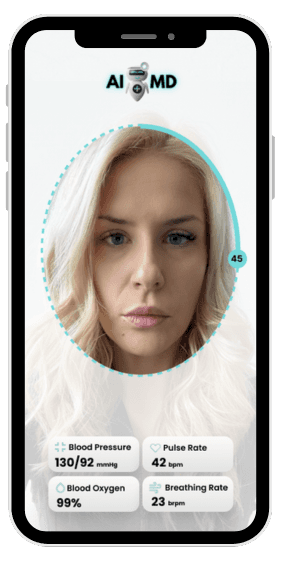
The Importance of Blood Pressure Monitoring
Regular blood pressure monitoring is vital for maintaining cardiovascular health. High blood pressure, or hypertension, often goes unnoticed because it typically does not present any symptoms. This "silent killer" can lead to severe complications if left unchecked.
Monitoring your blood pressure can help you identify trends and make informed lifestyle choices. For instance, if you notice consistent elevations in your readings, it may prompt you to consult a healthcare professional for further evaluation. Additionally, tracking your blood pressure can help you understand how various factors, such as diet, exercise, and stress, impact your cardiovascular health.
Physiological Mechanisms Behind Blood Pressure
To appreciate the significance of blood pressure monitoring, it's essential to understand the physiological mechanisms involved. Blood pressure is influenced by several factors, including cardiac output (the amount of blood the heart pumps), vascular resistance (the resistance of blood vessels), and blood volume.
When you engage in physical activity, your heart rate increases to supply more oxygen-rich blood to your muscles. This response can lead to temporary increases in blood pressure. Conversely, during rest or relaxation, your blood pressure typically decreases as your heart rate slows.
The regulation of blood pressure is a complex interplay of neural, hormonal, and local factors. The autonomic nervous system plays a crucial role in this regulation, adjusting heart rate and vascular resistance based on your body’s needs. Hormones such as adrenaline and angiotensin also influence blood pressure by affecting heart rate and blood vessel constriction.
Alternative Wearable Devices for Blood Pressure Monitoring
While Whoop does not measure blood pressure, several other wearable devices are specifically designed for this purpose. Smartwatches and fitness trackers from brands like Apple, Fitbit, and Garmin have incorporated blood pressure monitoring features, often using optical sensors or oscillometric methods to estimate blood pressure.
These devices can provide real-time feedback on your blood pressure, allowing you to track changes over time. Some even offer integration with health apps, enabling you to share your data with healthcare providers. If blood pressure monitoring is a priority for you, exploring these alternatives may be beneficial.
Integrating Whoop with Other Health Metrics
Although Whoop does not measure blood pressure, it can still be a valuable tool in your overall health monitoring toolkit. By tracking metrics such as heart rate, HRV, and sleep quality, you can gain insights into your cardiovascular health and overall well-being.
For instance, a decrease in HRV can indicate increased stress or fatigue, which may correlate with changes in blood pressure. By combining Whoop's data with regular blood pressure monitoring, you can develop a more comprehensive understanding of your health. This holistic approach allows you to make informed lifestyle changes and engage in preventive care.
In summary, while Whoop does not measure blood pressure, it offers valuable insights into other aspects of your health. Understanding the limitations of the device and integrating it with other monitoring methods can help you maintain a proactive approach to your overall well-being.

How does Whoop track heart health?
What metrics does Whoop provide for cardiovascular fitness?
Can Whoop help monitor overall wellness?
Is blood pressure measurement important for fitness tracking?
What features are included in fitness trackers for heart rate monitoring?
How accurate are wearable devices in measuring vital signs?


Get your personalized supplement match today — and join the future of data-driven wellness.