Understanding Blood Pressure Monitoring with Whoop
7 mins read

The Importance of Blood Pressure Monitoring
Blood pressure is the force exerted by circulating blood against the walls of blood vessels. It is measured in millimeters of mercury (mmHg) and recorded with two numbers: systolic (the pressure during heartbeats) and diastolic (the pressure when the heart is at rest). Normal blood pressure is typically around 120/80 mmHg. Monitoring your blood pressure is essential, as it can help identify potential health issues early and guide proactive steps to maintain cardiovascular wellness.
High blood pressure, or hypertension, can lead to serious complications such as heart disease, stroke, and kidney problems. Low blood pressure can also be concerning, potentially causing dizziness or fainting. Supporting your cardiovascular system with proper nutrition and supplementation can be an effective part of maintaining healthy blood pressure.
Some supplements that may help support heart health include a nitric oxide supplement, which supports overall cardiovascular wellness, and a heart health supplement stack, which provides key nutrients to promote everyday heart vitality and support blood pressure.
How Whoop Works for Blood Pressure Monitoring
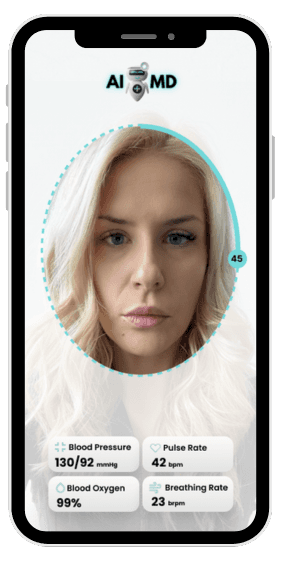
Whoop is a wearable device designed to track various health metrics, including heart rate, sleep patterns, and recovery. While Whoop does not directly measure blood pressure like traditional sphygmomanometers, it provides valuable insights that can help you understand your cardiovascular health.
The Whoop strap uses photoplethysmography (PPG) technology to monitor your heart rate and heart rate variability (HRV). This data can be correlated with blood pressure trends. For instance, elevated heart rates and reduced HRV may indicate increased stress or poor cardiovascular health, which could correlate with higher blood pressure readings. By tracking these metrics over time, you can gain a better understanding of your overall cardiovascular status.
Understanding Blood Pressure Variability
Blood pressure is not a static measurement; it fluctuates throughout the day due to various factors, including physical activity, stress, and even dietary choices. Understanding blood pressure variability is crucial for assessing your cardiovascular health.
Whoop's continuous monitoring capabilities allow you to observe how your heart rate and HRV change in response to different activities and stressors. For example, you may notice that your heart rate increases during exercise, which is a normal physiological response. However, if you observe consistently high heart rates during rest periods, it may indicate underlying stress or health issues that warrant further investigation.
The Role of Heart Rate Variability
Heart rate variability (HRV) is the measure of the variation in time between heartbeats. It is an important indicator of autonomic nervous system function and overall cardiovascular health. Higher HRV is generally associated with better health outcomes, while lower HRV can indicate stress or potential health issues.
Whoop provides insights into your HRV, allowing you to monitor how well your body is recovering from stressors. A decrease in HRV may correlate with increased blood pressure, particularly during stressful situations. By paying attention to your HRV trends, you can make informed decisions about lifestyle changes, such as incorporating relaxation techniques or adjusting your exercise routine, to help manage your blood pressure.
Lifestyle Factors Affecting Blood Pressure
Your lifestyle choices play a significant role in regulating your blood pressure. Factors such as diet, exercise, sleep, and stress management can all influence your cardiovascular health.
Diet: Consuming a diet high in sodium and low in potassium can contribute to elevated blood pressure. Focus on incorporating more fruits, vegetables, whole grains, and lean proteins to support healthy blood pressure levels.
Exercise: Regular physical activity strengthens the heart, improves circulation, and can help lower blood pressure. Whoop can track your workouts and recovery, giving insights into how your exercise routine affects cardiovascular health.
Sleep: Quality sleep is crucial for overall health and can have a direct impact on blood pressure. Poor sleep may increase stress and raise blood pressure levels. Whoop monitors your sleep patterns to help you pinpoint areas for improvement.
Stress Management: Chronic stress can elevate blood pressure. Incorporate mindfulness, meditation, and deep breathing exercises to reduce stress. Tracking your HRV with Whoop provides real-time feedback on how well you are managing stress.
The Future of Blood Pressure Monitoring with Wearables
As technology continues to advance, the future of blood pressure monitoring through wearables like Whoop looks promising. While current models do not directly measure blood pressure, ongoing research and development may lead to more sophisticated devices capable of providing real-time blood pressure readings.
The integration of artificial intelligence and machine learning into wearable technology could enhance the accuracy of health metrics, allowing for more personalized health recommendations. This could empower you to take control of your cardiovascular health by providing actionable insights based on your unique physiological data.

How does Whoop track blood pressure?
Can Whoop provide insights on blood pressure trends?
What features does Whoop offer for monitoring blood pressure?
Is it possible to use Whoop for blood pressure management?
How accurate is Whoop in measuring blood pressure?
What other health metrics can Whoop track alongside blood pressure?



Get your personalized supplement match today — and join the future of data-driven wellness.