Understanding Average HRV by Age: What You Need to Know
7 mins read
Published Feb 3, 2026

What is Heart Rate Variability?
HRV refers to the variation in time intervals between successive heartbeats. It is primarily influenced by the autonomic nervous system, which consists of two branches: the sympathetic nervous system (responsible for the "fight or flight" response) and the parasympathetic nervous system (which promotes "rest and digest" activities). A higher HRV generally indicates a healthy balance between these two systems, suggesting that your body can efficiently adapt to stressors and recover from them.
When you experience stress, whether physical or emotional, your sympathetic nervous system kicks in, leading to a decrease in HRV. Conversely, when you are relaxed, your parasympathetic system takes over, resulting in an increase in HRV. This variability is a sign of a well-functioning cardiovascular system and is associated with better health outcomes, including reduced risk of cardiovascular diseases.
How HRV Changes with Age
As you age, your HRV tends to decrease. This decline happens due to natural physiological changes over time, including reduced autonomic flexibility and shifts in stress response. Lifestyle factors, chronic conditions, and hormonal changes can also influence HRV.
Understanding average HRV by age can help you set realistic health goals and monitor cardiovascular fitness. Here are some general benchmarks:
20s: 50–100 milliseconds
30s: 40–80 milliseconds
40s: 30–70 milliseconds
50s: 25–60 milliseconds
60s and above: 20–50 milliseconds
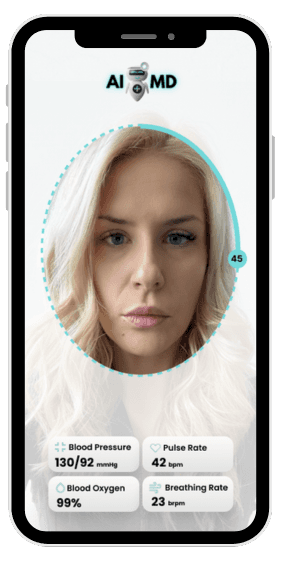
These ranges can vary among individuals based on factors such as genetics, lifestyle, and overall health. AI-MD can help track your HRV in real time, showing how your age, habits, and recovery affect your heart’s adaptability.
The Role of Wearables in Monitoring HRV
Wearable technology has revolutionized the way you can monitor your health, including HRV. Devices such as smartwatches and fitness trackers often come equipped with sensors that can measure your heart rate and calculate HRV. By wearing these devices, you can gain valuable insights into your cardiovascular health and overall wellness.
Wearables typically use photoplethysmography (PPG) to measure heart rate and derive HRV. This technology employs light sensors to detect blood volume changes in your wrist, allowing the device to calculate the time between heartbeats. Many wearables also provide user-friendly interfaces, enabling you to track your HRV over time and identify patterns related to stress, sleep, and physical activity.
Monitoring your HRV with wearables can help you:
Identify Stressors: By observing fluctuations in your HRV, you can pinpoint periods of elevated stress and take proactive steps to manage them.
Optimize Recovery: Athletes often use HRV data to gauge recovery status. A higher HRV after exercise may indicate your body is recovering well, while a lower HRV could suggest you need more rest.
Improve Sleep Quality: HRV is closely linked to sleep. Tracking your HRV can help you understand how your sleep patterns affect overall heart health and recovery.
Encourage Healthy Habits: Monitoring your HRV can reveal lifestyle changes that positively impact heart health, such as regular exercise, balanced nutrition, and stress management techniques.
Factors Influencing HRV Beyond Age
While age is a significant determinant of HRV, several other factors can influence this metric. Understanding these factors can help you take control of your heart health and improve your HRV.
Regular physical activity is one of the most effective ways to enhance HRV. Exercise, particularly aerobic activities like running, cycling, and swimming, can stimulate the parasympathetic nervous system, leading to increased HRV. Conversely, a sedentary lifestyle can contribute to lower HRV, emphasizing the importance of incorporating movement into your daily routine.
Chronic stress can have a detrimental effect on your HRV. High levels of stress activate the sympathetic nervous system, leading to decreased HRV. Engaging in stress-reducing activities such as mindfulness meditation, yoga, and deep-breathing exercises can help improve your HRV by promoting relaxation and enhancing parasympathetic activity.
Quality sleep is crucial for maintaining a healthy HRV. Poor sleep patterns, including insufficient sleep duration and disrupted sleep cycles, can lead to decreased HRV. Prioritizing good sleep hygiene, such as establishing a regular sleep schedule and creating a restful sleep environment, can positively impact your HRV.
Your diet plays a vital role in heart health and HRV. A balanced diet rich in fruits, vegetables, whole grains, lean proteins, and healthy fats can support cardiovascular function and improve HRV. Conversely, diets high in processed foods, sugars, and unhealthy fats may contribute to lower HRV.
Dehydration can negatively affect your cardiovascular system and HRV. Maintaining adequate hydration levels is essential for optimal heart function. Aim to drink enough water throughout the day, especially during physical activity or in hot weather.
Understanding Your HRV Data
Interpreting your HRV data can be complex, as individual variability plays a significant role. It's essential to consider your baseline HRV and track changes over time rather than focusing solely on specific numbers.
Here are some tips for understanding your HRV data:
Establish a Baseline: Take consistent HRV measurements over a period (ideally a few weeks) to establish your baseline. This provides a reference point for future comparisons.
Look for Trends: Rather than focusing on daily fluctuations, observe trends over weeks or months. A gradual increase in HRV may indicate improved health, while a consistent decline could signal the need for lifestyle adjustments.
Consider Context: HRV is influenced by factors such as stress, sleep, and physical activity. Keep these in mind when interpreting your HRV data to gain a more complete understanding of your heart health.
Practical Tips for Improving HRV
Improving your HRV is achievable through various lifestyle changes.
Here are some practical tips to help you enhance your heart health and boost your HRV:
Engage in Regular Exercise: Aim for at least 150 minutes of moderate-intensity aerobic activity each week. Include strength training and flexibility exercises to support overall fitness.
Practice Mindfulness: Incorporate mindfulness practices such as meditation, yoga, or tai chi to help manage stress and promote relaxation.
Prioritize Sleep: Establish a consistent sleep schedule, create a calming bedtime routine, and make sure your sleep environment supports restful sleep.
Eat a Balanced Diet: Focus on whole, nutrient-dense foods while limiting processed foods and added sugars. Include foods rich in omega-3 fatty acids, antioxidants, and fiber.
Stay Hydrated: Drink plenty of water throughout the day to maintain optimal hydration levels.
Limit Alcohol and Caffeine: Excessive consumption of alcohol and caffeine can negatively affect HRV. Moderation is key.
By understanding average HRV by age and taking proactive steps to improve your heart health, you can enhance your overall well-being and lead a healthier life. Monitoring your HRV with wearables can provide valuable insights into your health journey, empowering you to make informed decisions that benefit your heart and body.




Get your personalized supplement match today — and join the future of data-driven wellness.