Understanding Activity Trackers for Blood Pressure Monitoring
7 mins read

The Basics of Blood Pressure
Blood pressure is the force exerted by circulating blood on the walls of blood vessels. It is typically measured in millimeters of mercury (mmHg) and is expressed as two numbers: systolic pressure (the pressure in your arteries when your heart beats) over diastolic pressure (the pressure in your arteries when your heart rests between beats). Normal blood pressure is generally considered to be around 120/80 mmHg.
Maintaining healthy blood pressure is crucial for overall health, as elevated levels can lead to serious conditions such as heart disease, stroke, and kidney failure. Understanding your blood pressure readings and how they fluctuate throughout the day can provide valuable insights into your cardiovascular health.
How Activity Trackers Measure Blood Pressure
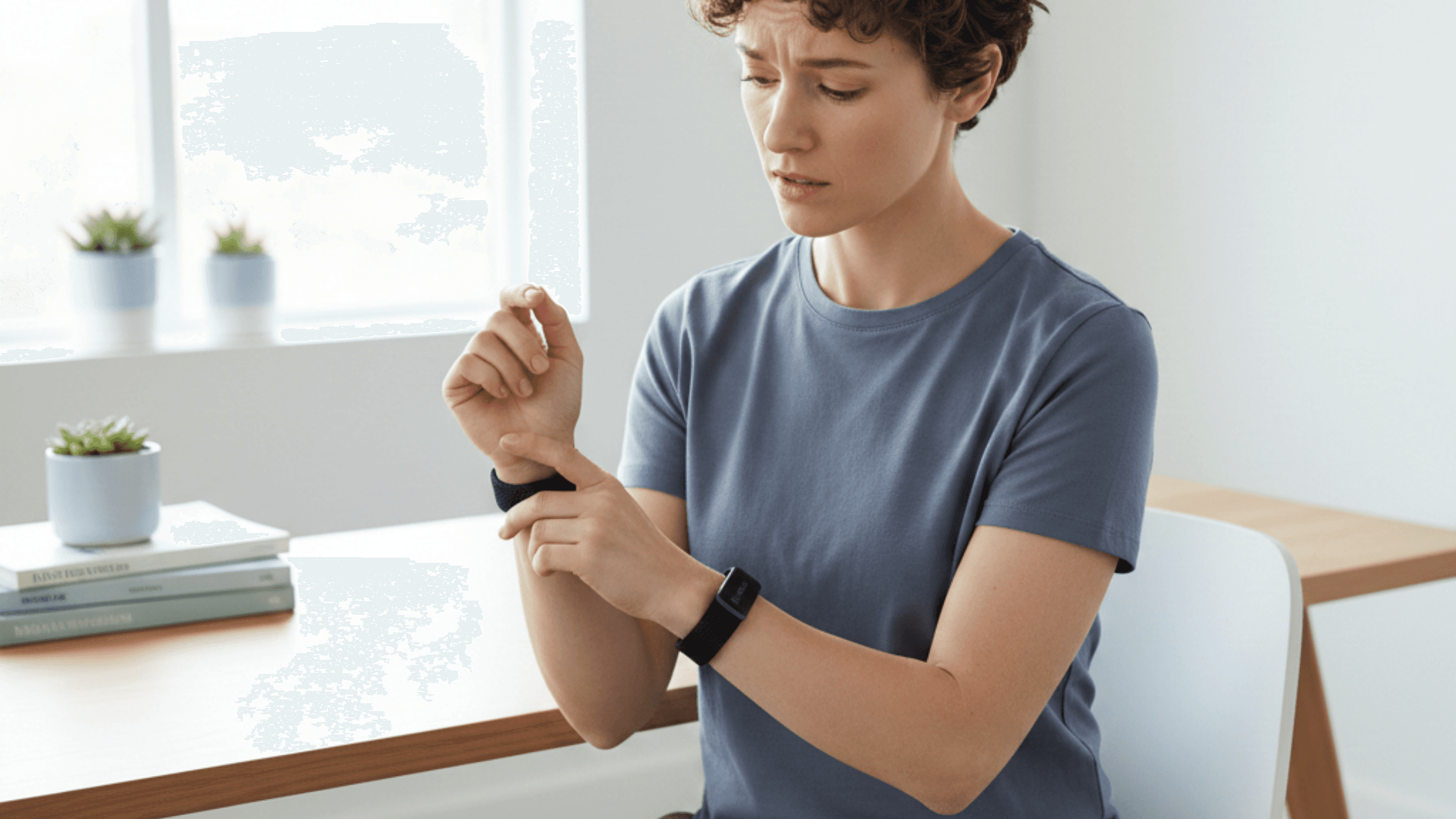
Activity trackers equipped with blood pressure monitoring capabilities typically use a combination of sensors and algorithms to estimate your blood pressure. While traditional blood pressure cuffs measure pressure directly, most wearables use optical sensors that rely on photoplethysmography (PPG). This technology detects changes in blood volume through your skin, allowing the device to estimate your heart rate and, indirectly, your blood pressure.
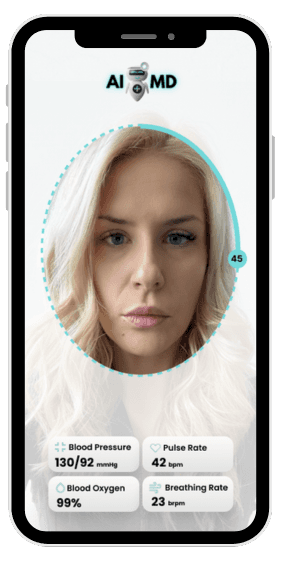
Some advanced trackers may also incorporate additional features, such as electrocardiograms (ECGs) or heart rate variability (HRV) measurements, to provide a more comprehensive view of your cardiovascular health. However, it is essential to note that while these devices can offer estimates, they may not always be as precise as clinical measurements. For trend-based, non-invasive cardiovascular insights, AI‑MD can scan your heart rate, circulation, and stress response directly through your smartphone, providing personalized reflections to help guide wellness decisions.
The Role of Activity Trackers in Heart Health
Monitoring your blood pressure with an activity tracker can play a significant role in managing your heart health. By keeping track of your blood pressure readings over time, you can identify patterns and trends that may indicate potential health issues. This data can also help you make informed decisions about your lifestyle, such as diet and exercise, which are crucial factors in maintaining healthy blood pressure levels.
Moreover, many activity trackers come with features that encourage physical activity, such as step counters, workout tracking, and reminders to move. Regular physical activity is known to help lower blood pressure, improve heart health, and reduce stress levels. By integrating these features into your daily routine, you can create a holistic approach to managing your cardiovascular health.
Limitations of Activity Trackers for Blood Pressure Monitoring
Activity trackers are designed to make health monitoring more accessible and convenient. They can offer useful estimates related to movement, heart rate, and general cardiovascular trends, which many people find helpful for building healthier daily habits. Because these devices rely on indirect signals rather than direct pressure measurement, the data they provide is best understood as trend-based insights rather than exact readings.
AI-MD works in a complementary way by using camera-based biometric scanning to observe circulation patterns, pulse behavior, and stress responses through your smartphone. Instead of replacing wearable devices, AI-MD adds another layer of perspective by helping you reflect on how your body responds to routines, habits, and recovery over time. Used together or separately, both approaches can support greater awareness of cardiovascular wellness while focusing on patterns, context, and informed lifestyle choices.
Best Practices for Using Activity Trackers
To get the most value from your activity tracker when observing blood pressure trends, a few simple practices can help improve consistency and usefulness:
Establish a Reliable Reference: If your tracker supports calibration with a standard blood pressure device, doing this occasionally can help align its estimates with real-world values. This gives your data a more stable reference point over time.
Be Consistent with Timing: Using your tracker at roughly the same time each day helps reveal meaningful patterns instead of random fluctuations. Consistency makes it easier to understand how your body responds to daily routines, stress, or activity.
Look Beyond a Single Metric: Blood pressure trends make more sense when viewed alongside heart rate, movement, sleep, and recovery. Observing these together creates a clearer picture of overall cardiovascular balance rather than focusing on one number alone.
Understand What the Data Represents: Activity trackers are designed to highlight trends, not deliver exact medical readings. Knowing what your device measures—and how it estimates those values—can help you interpret the results with the right expectations.
Use AI-MD as a Flexible Alternative or Companion: AI-MD can support this process without requiring a wearable. By using your phone’s camera and microphone, it scans circulation patterns, pulse behavior, and stress responses to reflect how your body is reacting in real time. This makes AI-MD useful either as a standalone option or alongside a tracker, especially for people who prefer a screen-free, device-light approach to monitoring wellness trends.
The Future of Blood Pressure Monitoring with Wearables
As technology evolves, blood pressure monitoring is moving beyond traditional devices into more accessible, everyday tools. Wearables continue to improve through better sensors, smarter algorithms, and deeper data analysis. Alongside these, camera-based platforms like AI-MD represent a new direction—using artificial intelligence to interpret subtle biometric signals related to circulation, pulse patterns, and stress response without requiring a wearable device.
Rather than focusing on single measurements, these innovations emphasize trend awareness and personalized insights. AI-driven analysis can help you notice patterns in how your body responds to daily habits, activity, rest, and stress, offering timely reflections that support smarter lifestyle choices. This kind of feedback can be especially useful for staying aware of changes between routine check-ins or measurements.
Looking ahead, the combination of wearable technology and AI-powered scanning tools like AI-MD may offer a more flexible, user-friendly way to stay engaged with cardiovascular wellness. These tools are best viewed as supportive companions—helping you understand your body better, stay proactive, and make informed decisions—while formal medical evaluation remains the standard for diagnosis and treatment.
By understanding what each tool is designed to do, you can confidently use modern technology to support heart health, awareness, and long-term well-being without relying on a single solution alone.

How do activity trackers measure blood pressure?
Can an activity tracker help manage hypertension?
What features should I look for in an activity tracker for blood pressure monitoring?
Are activity trackers accurate for tracking blood pressure changes?
How often should I check my blood pressure with an activity tracker?
What are the benefits of using an activity tracker for blood pressure monitoring?

Get your personalized supplement match today — and join the future of data-driven wellness.