The Fitbit Revolution: Monitoring Your Blood Pressure
7 mins read
Understanding Blood Pressure
Blood pressure is the force exerted by circulating blood against the walls of your arteries. It is measured in millimeters of mercury (mmHg) and is expressed with two numbers: systolic (the pressure when your heart beats) over diastolic (the pressure when your heart rests between beats). Normal blood pressure typically ranges from 90/60 mmHg to 120/80 mmHg. Elevated blood pressure, or hypertension, can lead to serious health issues, including heart disease, stroke, and kidney damage.
Monitoring your blood pressure regularly is crucial for detecting potential health problems early. Traditional methods involve using a sphygmomanometer, but the advent of wearable technology has made it easier to track this vital sign continuously.
The Role of Wearables in Health Monitoring
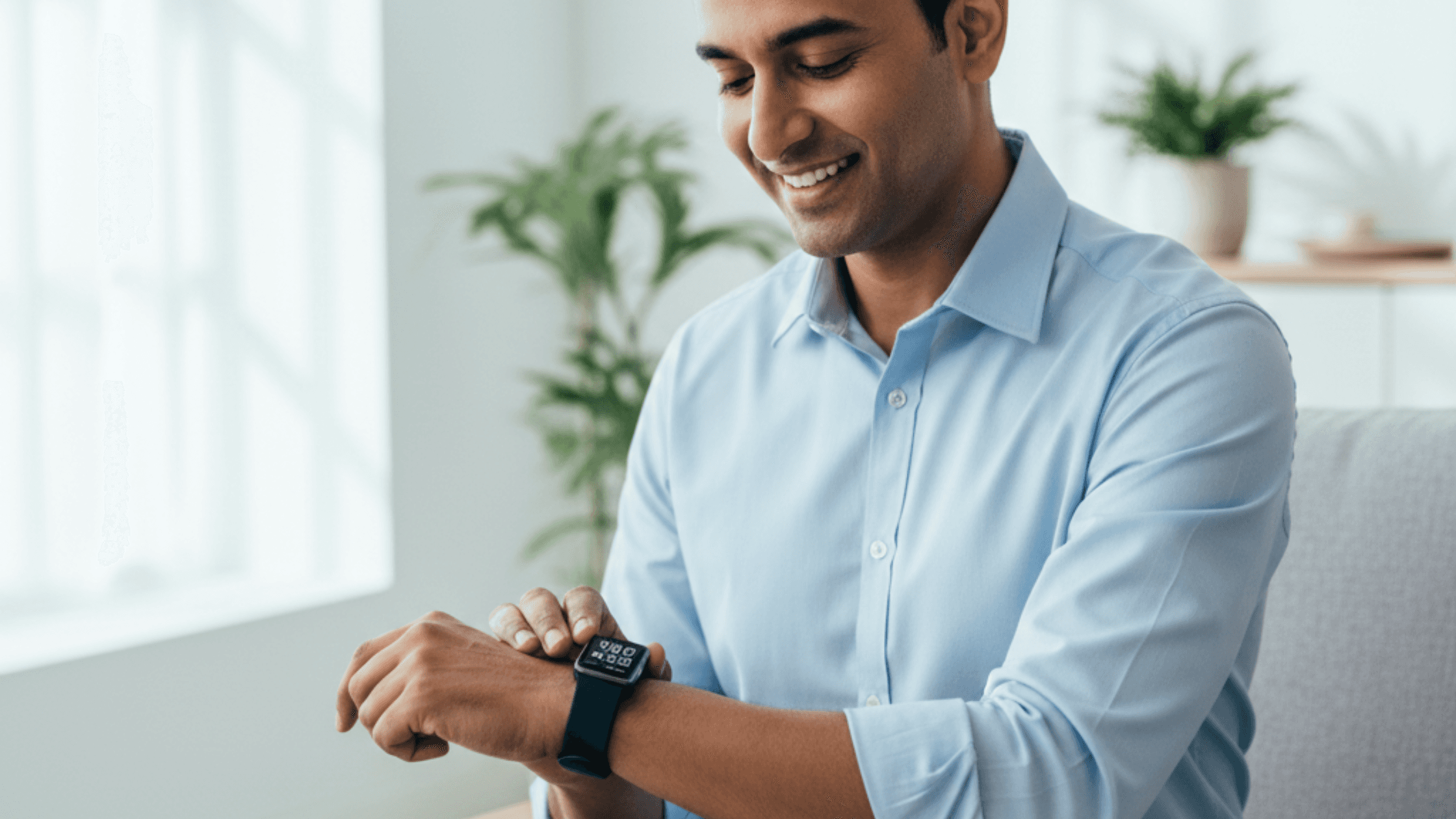
Wearable devices, such as fitness trackers and smartwatches, have gained popularity for their ability to monitor various health metrics, including heart rate, sleep patterns, and physical activity. The integration of blood pressure monitoring into these devices represents a significant advancement in personal health technology.
The Fitbit that monitors blood pressure uses advanced sensors and algorithms to provide real-time data on your blood pressure levels. This continuous monitoring allows you to observe trends over time, making it easier to identify fluctuations that may require medical attention. By having this information at your fingertips, you can make informed decisions regarding your lifestyle and health management.
How Fitbit Measures Blood Pressure
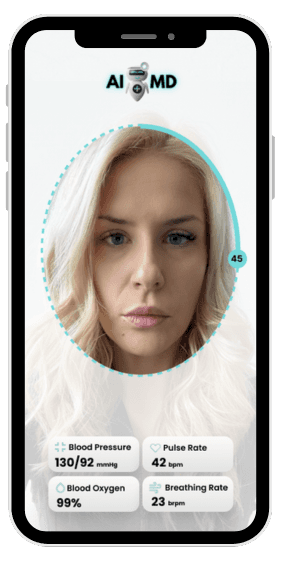
Fitbit devices utilize a combination of photoplethysmography (PPG) and advanced algorithms to estimate blood pressure. PPG is a non-invasive optical technique that measures changes in blood volume within the microvascular bed of tissue. When your heart beats, it pumps blood through your arteries, causing a change in blood volume that can be detected by the sensors in the device.
The Fitbit uses these readings, along with your heart rate and other physiological parameters, to estimate your blood pressure. While this method is not as precise as traditional blood pressure cuffs, it provides a useful approximation that can help you track your health trends and make necessary lifestyle adjustments.
Benefits of Monitoring Blood Pressure with Fitbit
Early Detection of Hypertension: Regular monitoring can help you identify elevated blood pressure levels before they become a serious concern. Early detection allows for timely intervention, potentially reducing the risk of complications associated with hypertension.
Convenience and Accessibility: With a Fitbit that monitors blood pressure, you can check your levels anytime and anywhere. This convenience encourages more frequent monitoring, which is key to understanding your health.
Data Tracking and Analysis: The Fitbit app allows you to track your blood pressure readings over time, providing insights into patterns and trends. This data can be invaluable for discussions with your healthcare provider, enabling more personalized care.
Encouragement for Healthy Habits: By keeping an eye on your blood pressure, you may be more motivated to adopt healthier lifestyle choices. Regular exercise, a balanced diet, and stress management techniques can all contribute to better blood pressure control.
Integration with Other Health Metrics: Fitbit devices track various health metrics, including physical activity, sleep quality, and heart rate. By monitoring these factors alongside your blood pressure, you can gain a holistic view of your health and make informed decisions.
Limitations and Considerations
While the Fitbit that monitors blood pressure offers numerous benefits, it is essential to recognize its limitations. The accuracy of blood pressure readings may vary based on several factors, including device calibration, user technique, and individual physiological differences. It is crucial to understand that these readings should not replace professional medical assessments.
Additionally, while wearables can provide valuable insights, they should be viewed as complementary tools rather than standalone solutions. Regular check-ups with your healthcare provider are essential for comprehensive health management, especially if you have a history of hypertension or other cardiovascular issues.
Making the Most of Your Fitbit for Blood Pressure Monitoring
To maximize the benefits of your Fitbit for blood pressure monitoring, consider the following tips:
Consistency is Key: Establish a routine for checking your blood pressure. Aim to take readings at the same time each day for the most accurate tracking.
Understand Your Baseline: Familiarize yourself with your normal blood pressure range. This knowledge will help you identify any significant changes that may require attention.
Combine Data for Better Insights: Use the Fitbit app to correlate your blood pressure readings with other health metrics, such as physical activity and sleep quality. This comprehensive approach can help you identify lifestyle factors that may impact your blood pressure.
Communicate with Your Healthcare Provider: Share your Fitbit data with your doctor during check-ups. This information can provide valuable context for your overall health and guide treatment decisions.
Stay Informed: Keep up with the latest research and guidelines regarding blood pressure management. This knowledge will empower you to make informed decisions about your health.
By leveraging the capabilities of a Fitbit that monitors blood pressure, you can take proactive steps toward managing your cardiovascular health. With continuous monitoring, data tracking, and an emphasis on healthy lifestyle choices, you can make significant strides in maintaining optimal blood pressure levels and overall well-being.

How does a fitness tracker measure blood pressure?
What features should I look for in a blood pressure monitoring device?
Can wearable technology accurately track blood pressure?
What are the benefits of using a fitness tracker for blood pressure management?
How often should I check my blood pressure with a wearable device?
What are the limitations of using a fitness tracker for blood pressure monitoring?


Get your personalized supplement match today — and join the future of data-driven wellness.