Understanding Average HRV for Women: What You Need to Know
7 mins read
Published Feb 4, 2026

What is Heart Rate Variability?
Heart Rate Variability refers to the variation in time intervals between consecutive heartbeats. It is influenced by the autonomic nervous system, which has two main branches: the sympathetic nervous system and the parasympathetic nervous system. The sympathetic system is responsible for the "fight or flight" response, while the parasympathetic system promotes "rest and digest" activities.
When you are relaxed, your body tends to have higher HRV, indicating a healthy balance between these two systems. Conversely, lower HRV can suggest stress, fatigue, or potential health concerns. By measuring HRV, you gain insights into how well your body is managing stress and recovering from daily activities.
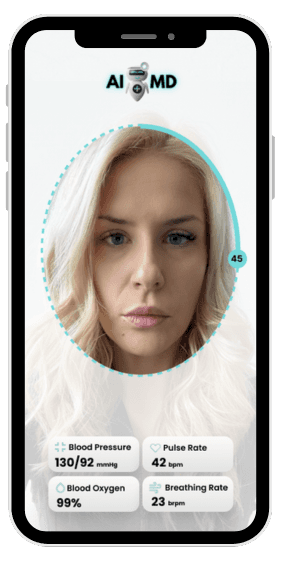
Using AI‑MD, you can enhance your understanding of HRV by scanning subtle biometric signals with just your smartphone. It tracks pulse patterns, skin tone changes, and breathing rhythms to give personalized reflections on recovery, stress, and overall wellness, complementing traditional HRV measurements without replacing them.
How is HRV Measured?
HRV can be measured using various methods, including electrocardiograms (ECGs) and photoplethysmography (PPG), which are commonly found in wearable devices. Smartwatches and fitness trackers make it easier to monitor HRV regularly. PPG technology detects blood volume changes in your skin to estimate heart rate and HRV.
To obtain reliable readings, it’s important to measure HRV under consistent conditions, such as at rest and at the same time each day. Many wearables provide trends over time, helping you understand how sleep, exercise, and stress affect your heart health.
AI‑MD complements these measurements by using your smartphone camera to scan subtle biometric signals—like pulse patterns, skin tone changes, and breathing rhythms—to give personalized insights into your recovery, stress response, and cardiovascular wellness. This allows you to monitor HRV trends and overall health in a non-invasive, convenient way, alongside traditional wearables.
Average HRV for Women
The average HRV for women can vary significantly based on several factors, including age, fitness level, and hormonal changes. Generally, younger women tend to have higher HRV compared to older women. Studies indicate that the average HRV for women in their 20s can range from 50 to 100 milliseconds, while women in their 50s may experience averages closer to 30 to 70 milliseconds.
Hormonal fluctuations throughout the menstrual cycle can also impact HRV. For instance, many women experience higher HRV during the follicular phase (the first half of the menstrual cycle) and lower HRV during the luteal phase (the second half). This variation is primarily due to changes in estrogen and progesterone levels, which influence the autonomic nervous system.
Additionally, lifestyle factors such as physical activity, stress management, and sleep quality play a significant role in determining your HRV. Engaging in regular exercise, practicing mindfulness, and ensuring adequate sleep can help improve your HRV, leading to better heart health.
Factors Influencing HRV in Women
Several factors can influence HRV in women, and understanding these can help you take proactive steps toward improving your heart health.
Here are some key factors to consider:
Age: As mentioned earlier, HRV tends to decrease with age. This decline is often associated with a decrease in physical fitness and changes in the autonomic nervous system.
Fitness Level: Women who engage in regular aerobic exercise typically have higher HRV. Exercise enhances cardiovascular health and promotes better autonomic function, which can lead to improved HRV.
Stress: Chronic stress can negatively impact HRV. High levels of stress activate the sympathetic nervous system, leading to lower HRV. Practicing stress-reduction techniques, such as yoga or meditation, can help mitigate this effect.
Sleep Quality: Poor sleep can significantly lower HRV. Quality sleep allows your body to recover and balance the autonomic nervous system, leading to improved HRV. Aim for 7-9 hours of quality sleep each night to support your heart health.
Hormonal Changes: As previously discussed, hormonal fluctuations during the menstrual cycle can affect HRV. Additionally, menopause can lead to changes in HRV due to hormonal shifts.
Nutrition: A balanced diet rich in antioxidants, omega-3 fatty acids, and vitamins can support heart health and improve HRV. Foods like fatty fish, fruits, vegetables, and whole grains are excellent choices. You can also support your intake with omega-3 supplements.
The Role of Wearables in Monitoring HRV
Wearable technology has revolutionized the way you can monitor your health, including HRV. Devices like smartwatches and fitness trackers provide real-time data on your heart rate and HRV, allowing you to track changes over time.
Here’s how wearables can benefit you:
Convenience: Wearables offer a user-friendly way to monitor your HRV without the need for specialized equipment. You can easily check your HRV trends through a mobile app.
Real-Time Feedback: Many wearables provide real-time feedback on your heart rate and HRV, helping you make informed decisions about your health and wellness. For example, if you notice a drop in HRV, it may be a sign to prioritize rest or stress management.
Longitudinal Data: By tracking your HRV over time, you can identify patterns and correlations with lifestyle factors such as exercise, sleep, and stress. This data can help you make adjustments to improve your overall heart health.
Goal Setting: Wearables often allow you to set health goals related to HRV, encouraging you to engage in activities that promote a healthy heart. For instance, you might aim to improve your HRV through regular exercise or mindfulness practices.
Community Support: Many wearable platforms offer community features, allowing you to connect with others who are also monitoring their HRV. This can provide motivation and support as you work toward your health goals.
Holistic Awareness: Using wearables can increase overall awareness of your body’s signals, helping you make informed choices about rest, recovery, and lifestyle habits.
In addition to wearables, AI‑MD can provide a more holistic view of your cardiovascular and wellness data directly through your smartphone. By analyzing subtle biometric signals—such as pulse patterns, circulation, oxygenation, and stress responses—AI‑MD offers personalized, actionable reflections on your recovery, daily stress, and overall heart health. This complements wearable tracking, allowing you to gain deeper insights and understand how your daily habits impact your body over time.
Improving HRV: Practical Tips for Women
If you’re looking to improve your HRV, there are several practical steps you can take:
Engage in Regular Physical Activity: Aim for at least 150 minutes of moderate aerobic exercise each week. Activities like walking, running, cycling, and swimming can help improve cardiovascular health and increase HRV.
Practice Mindfulness and Stress Reduction: Techniques such as meditation, yoga, and deep breathing exercises can help lower stress levels and improve HRV. Consider incorporating these practices into your daily routine.
Prioritize Sleep: Aim for 7-9 hours of quality sleep each night. Establish a consistent sleep schedule, create a relaxing bedtime routine, and limit screen time before bed to enhance sleep quality.
Maintain a Balanced Diet: Focus on a diet rich in whole foods, including fruits, vegetables, lean proteins, and healthy fats. Foods high in antioxidants and omega-3 fatty acids can support heart health.
Stay Hydrated: Dehydration can negatively impact your HRV. Aim to drink enough water throughout the day to stay properly hydrated.
Limit Alcohol and Caffeine: Excessive alcohol and caffeine consumption can lower HRV. Moderation is key, so consider reducing your intake if you notice a negative impact on your heart health.
AI‑MD can offer a digital window into your body’s real-time responses. Using only your smartphone’s camera and microphone, it detects subtle biometrics like pulse rhythm, oxygenation, and stress patterns. This allows you to see how your daily habits—sleep, activity, and recovery—are impacting your HRV. Unlike traditional wearables, AI‑MD doesn’t require a device on your wrist and provides personalized insights that help you make smarter choices for long-term wellness.

What factors influence the average HRV in women?
How does age affect the average HRV for women?
What is considered a healthy HRV range for women?
How can women improve their average HRV?
Are there differences in average HRV between active and sedentary women?
What role does stress play in the average HRV for women?


Get your personalized supplement match today — and join the future of data-driven wellness.