Exploring the Intersection of Paleo and Ketosis: A Guide to Dual Dieting
7 mins read
Published Jan 23, 2026

Understanding the Paleo Diet
The Paleo diet, often referred to as the "caveman diet," is based on the premise of eating foods that our ancestors consumed during the Paleolithic era. This means focusing on whole foods that are minimally processed.
The core tenets of the Paleo diet include:
Whole Foods: Emphasis on fruits, vegetables, nuts, seeds, lean meats, and fish.
No Processed Foods: Exclusion of grains, legumes, dairy, refined sugars, and artificial additives.
Natural Fats: Encouragement of healthy fats from sources like avocados, olive oil, and nuts.
The rationale behind the Paleo diet is rooted in the belief that modern agricultural practices have led to an increase in chronic diseases. By reverting to a diet that mimics that of our ancestors, proponents argue that individuals can improve their health and well-being.
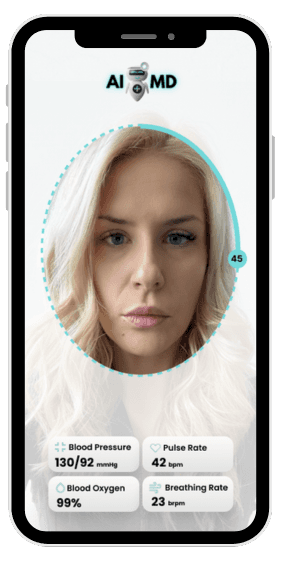
To support nutrient intake while following a Paleo or Paleo-Keto approach, some people turn to supplements such as multivitamins, omega‑3/fish oil, vitamin D, magnesium, electrolytes, or collagen. Using tools like AI-MD can help track your body’s responses and guide which supplements or adjustments might work best for you.
The Ketogenic Diet Explained
The ketogenic diet, or keto, is a high-fat, low-carbohydrate diet designed to shift the body’s metabolism from burning carbohydrates to burning fats. This metabolic state is known as ketosis, where the liver converts fatty acids into ketones, which serve as an alternative energy source for the brain and body.
Key features of the ketogenic diet include:
Macronutrient Ratios: Typically, a ketogenic diet consists of about 70-75% fats, 20-25% protein, and only 5-10% carbohydrates.
Carbohydrate Restriction: To achieve ketosis, carbohydrate intake is usually limited to around 20-50 grams per day, depending on individual factors.
Focus on Healthy Fats: Emphasis on sources of healthy fats such as avocados, nuts, seeds, coconut oil, and fatty fish.
The ketogenic diet has been shown to aid in weight loss, improve blood sugar control, and even enhance cognitive function. However, it requires careful planning to ensure nutritional adequacy and maintain ketosis. Some people choose to complement their keto diet with key supplements like magnesium, electrolytes, omega‑3, or multivitamins to support energy, nutrient balance, and overall wellness. Tools like AI-MD can help track how your body responds and guide which supplements or adjustments might be most effective. [Explore recommended keto-friendly supplements here].
The Synergy of Paleo and Ketosis
Combining the principles of the Paleo diet with the ketogenic framework can create a powerful dietary approach. This dual dieting strategy allows you to reap the benefits of both diets while adhering to their core principles.
Here’s how they can work together:
Whole Foods Focus: Both diets prioritize whole, unprocessed foods, which can lead to improved nutrient intake and better overall health.
Healthy Fats: The ketogenic emphasis on healthy fats aligns well with the Paleo diet’s acceptance of natural fats, making it easier to meet macronutrient goals.
Reduced Inflammation: Both diets can help reduce inflammation, a common factor in many chronic diseases, by eliminating processed foods and sugars.
By integrating the two, you can create a nutrient-dense, low-carb diet that supports weight loss, metabolic health, and overall wellness.
Nutritional Considerations
When merging the Paleo and ketogenic diets, it’s essential to pay attention to your nutritional intake to ensure you’re meeting your body’s needs.
Here are some key considerations:
Micronutrient Intake: Focus on a variety of low-carb vegetables, such as leafy greens, broccoli, and cauliflower, to ensure you’re getting essential vitamins and minerals.
Protein Sources: Opt for high-quality protein sources like grass-fed meats, wild-caught fish, and pasture-raised eggs, which are both Paleo-friendly and suitable for a ketogenic diet.
Fat Quality: Prioritize healthy fats such as avocados, olive oil, and nuts, while avoiding trans fats and highly processed oils.
It’s also important to monitor your macronutrient ratios to maintain ketosis while adhering to the Paleo principles. Tracking your food intake and using tools like AI-MD can help you find the right balance and optimize your diet for your unique body responses.
Potential Health Benefits
Combining the Paleo and ketogenic diets can offer a range of health benefits, supported by scientific evidence.
Here are some of the potential advantages:
Weight Loss: Both diets can lead to weight loss, primarily due to reduced carbohydrate intake and increased fat burning. The combination may enhance satiety, making it easier to stick to your eating plan.
Improved Blood Sugar Control: The low-carb nature of both diets can help regulate blood sugar levels, which is beneficial for those with insulin resistance or type 2 diabetes.
Enhanced Mental Clarity: Many individuals report improved cognitive function and mental clarity while in ketosis, which may be further supported by the nutrient-dense foods emphasized in the Paleo diet.
Reduced Inflammation: The elimination of processed foods and sugars can lead to a reduction in inflammation, potentially lowering the risk of chronic diseases.
While individual results may vary, the synergy of these two dietary approaches can create a powerful framework for improving health and wellness. Tracking your body’s responses with tools like AI-MD can help you understand which benefits you’re experiencing and guide any adjustments for optimal results.
Practical Tips for Dual Dieting
If you’re interested in exploring the intersection of Paleo and ketosis, here are some practical tips to help you get started:
Plan Your Meals: Meal planning can help you stay on track and ensure you’re meeting your macronutrient goals. Focus on creating balanced meals that include healthy fats, quality proteins, and low-carb vegetables.
Experiment with Recipes: There are plenty of delicious recipes that fit both dietary frameworks. Look for creative ways to incorporate healthy fats and whole foods into your meals.
Listen to Your Body: Pay attention to how your body responds to this dual approach. Tools like AI-MD can help track your body’s signals, allowing you to adjust food choices and macronutrient ratios for optimal results.
Stay Hydrated: Adequate hydration is crucial, especially when transitioning to a ketogenic diet. Ensure you’re drinking enough water and consider electrolyte supplementation if needed.
By taking a mindful approach to your eating habits, you can successfully navigate the intersection of Paleo and ketosis, optimizing your health and wellness journey.
Exploring the combination of Paleo and ketosis offers a unique opportunity to enhance your nutrition while adhering to principles that prioritize whole, unprocessed foods. By understanding the foundations of both diets and implementing practical strategies, you can create a sustainable and health-promoting eating plan that supports your wellness goals.

What are the main differences between the paleo diet and a ketogenic diet?
Can you combine paleo and ketogenic principles for better results?
What foods are allowed on both the paleo and ketogenic diets?
How does the paleo diet affect ketosis in the body?
What are the potential benefits of following a paleo-keto diet?
Are there any common challenges when transitioning to a paleo and ketogenic diet?


Get your personalized supplement match today — and join the future of data-driven wellness.