The Truth About Ferritin Supplements: Are They Right for You?
7 mins read

Understanding Ferritin and Its Role in the Body
Ferritin is primarily found in the liver, spleen, and bone marrow, where it stores iron in a non-toxic form. The amount of ferritin in your blood can indicate your body’s iron levels. Low ferritin often suggests iron deficiency, which can lead to anemia, fatigue, and weakened immune function. Conversely, high ferritin levels can indicate iron overload, which may cause damage to organs and tissues.
Iron is vital for producing hemoglobin, the protein in red blood cells that carries oxygen throughout your body. It also plays a role in enzymatic reactions, DNA synthesis, and energy metabolism. Maintaining optimal ferritin levels is essential for overall health. You can support healthy ferritin and iron levels with iron and nutrient supplements, which help support energy production, red blood cell formation, metabolism, immune function, and overall cellular health.
Who Might Need Ferritin Supplements?
Ferritin supplements may be useful for those with low iron storage or higher iron needs.
Certain groups may experience lower ferritin levels:
Women of Childbearing Age: Menstruation and pregnancy can affect iron storage, which may influence energy and circulation.
Vegetarians and Vegans: Plant-based diets may provide less easily absorbed iron, impacting overall wellness.
Athletes: Intense activity can increase iron needs, affecting recovery and performance signals.
People with Chronic Conditions: Long-term health factors can influence energy, circulation, and oxygenation patterns.
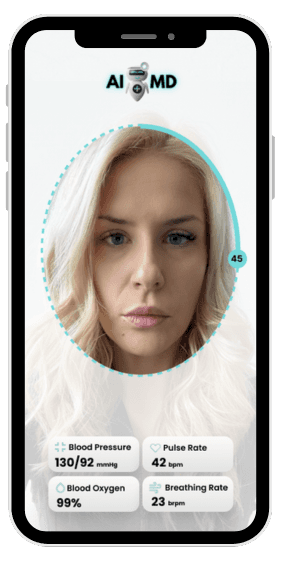
You can use tools like AI‑MD to track subtle changes in circulation, oxygenation, and energy levels. These insights help you understand how your body responds to diet, activity, and lifestyle habits, allowing you to make informed decisions to support overall wellness — all directly from your mobile device.
The Benefits of Ferritin Supplements
Ferritin supplements can offer several potential benefits, especially for those with low iron levels.
Some of these benefits include:
Improved Energy Levels: Iron is essential for producing energy. Taking ferritin supplements may help reduce fatigue caused by low iron.
Enhanced Immune Function: Proper iron levels support a healthy immune system, helping your body defend against infections.
Better Cognitive Function: Iron plays a key role in brain health. Maintaining optimal ferritin levels may promote mental clarity and focus.
Support During Pregnancy: Pregnant individuals often need extra iron for fetal development, making ferritin supplementation helpful for those with low levels.
While these benefits can be valuable, it’s important to ensure supplementation is guided by AI-MD, which can help track your iron status and provide personalized, data-driven guidance.
Potential Risks and Side Effects of Ferritin Supplements
While ferritin supplements can be helpful for some, they also come with potential risks. Excess iron intake may lead to iron overload, also known as hemochromatosis, which can contribute to serious health concerns such as liver strain, heart complications, and metabolic issues.
Common signs that may be associated with iron overload include:
1. Fatigue
2. Joint discomfort
3. Abdominal pain
4. Changes in skin tone or discoloration
Some individuals may also experience digestive side effects from ferritin supplements, including nausea, constipation, or diarrhea.
Using AI‑MD tools, you can track subtle physiological signals related to circulation, oxygenation, pulse patterns, and stress response. These insights can help you observe how your body may be responding to ferritin supplementation over time. When combined with lifestyle inputs such as sleep, activity, and nutrition, AI‑MD can provide reflective, data-informed guidance to support safer, more informed supplement decisions.
How to Determine if Ferritin Supplements Are Right for You
Before considering ferritin supplements, it’s essential to assess your iron levels through blood tests. A healthcare professional can evaluate your ferritin levels, hemoglobin, and overall iron status to determine if supplementation is necessary. Self-diagnosing or self-treating with supplements can lead to complications, particularly if you have underlying health conditions.
If your healthcare provider determines that you have low ferritin levels and may benefit from supplementation, they will recommend the appropriate dosage and duration. It’s crucial to follow their guidance closely to avoid the risks associated with excessive iron intake.
Alternatives to Ferritin Supplements
If you have low ferritin levels but prefer not to take supplements, there are dietary strategies you can adopt to improve your iron status. Foods rich in heme iron, such as red meat, poultry, and fish, are more easily absorbed by the body.
If you follow a vegetarian or vegan diet, consider incorporating the following plant-based sources of non-heme iron:
1. Lentils
2. Beans and legumes
3. Tofu
4. Spinach and other leafy greens
5. Fortified cereals
Pairing these iron-rich foods with vitamin C sources, such as citrus fruits, bell peppers, and tomatoes, can enhance iron absorption. Additionally, avoiding calcium-rich foods and beverages during iron-rich meals can improve absorption, as calcium competes with iron for absorption in the gut.
In some cases, addressing underlying health issues that contribute to low ferritin levels may also help. For example, managing gastrointestinal disorders or improving dietary habits can positively impact your iron status.

What is the role of ferritin in the body?
How does ferritin supplementation affect iron levels?
What are the symptoms of low ferritin levels?
Can ferritin supplements help with fatigue?
How should ferritin supplements be taken for best results?
Are there any dietary sources that increase ferritin levels?



Get your personalized supplement match today — and join the future of data-driven wellness.