Whoop vs Fitbit: Which Wearable is Right for You?
7 mins read
Published Feb 3, 2026

Understanding the Basics of Whoop and Fitbit
Before diving into the specifics, it's essential to understand what each device is designed to do. Whoop is primarily focused on performance optimization, tracking metrics such as heart rate variability (HRV), sleep quality, and strain levels to help you understand your body’s readiness for physical activity. It operates on a subscription model, providing ongoing insights and personalized coaching based on your data.
Fitbit, on the other hand, is more of a general fitness tracker. It offers a wide array of features, including step counting, heart rate monitoring, sleep tracking, and even guided workouts. Fitbit devices typically come with a one-time purchase price and do not require a subscription for basic functionalities. This makes it more accessible for casual users who want to monitor their activity levels without diving deeply into performance metrics.
Performance Metrics: Whoop's Focus on Recovery and Strain
One of the standout features of Whoop is its emphasis on recovery and strain. The device continuously monitors your heart rate and HRV, providing insights into how well your body is recovering from workouts. HRV is a crucial indicator of your autonomic nervous system's balance, reflecting how well your body is managing stress and recovery.
Whoop uses this data to generate a daily recovery score, which indicates whether your body is ready for physical exertion. If you're an athlete or someone who engages in regular intense workouts, this feature can be invaluable. It helps you avoid overtraining, which can lead to burnout or injury.
In contrast, while Fitbit does track heart rate and sleep, its focus is less on recovery and more on general activity levels. Fitbit provides a daily readiness score based on sleep and activity levels, but it doesn’t delve as deeply into the physiological aspects of recovery that Whoop does. If your primary goal is to optimize athletic performance, Whoop’s metrics may offer more actionable insights.
Sleep Tracking: Whoop vs Fitbit
Sleep is a critical component of overall health, and both Whoop and Fitbit offer sleep tracking features, but they approach it differently. Whoop provides in-depth sleep analysis, including the duration of different sleep stages (light, deep, and REM) and how these stages correlate with your recovery and performance metrics. This level of detail can help you identify patterns and make adjustments to your sleep habits for better recovery.
Fitbit also tracks sleep stages and provides a sleep score based on duration and quality. However, it may not offer the same level of personalized insights as Whoop. If you’re someone who struggles with sleep quality or is looking to optimize your sleep for performance, Whoop’s more detailed analysis may be more beneficial.
Activity Tracking: A Broader Spectrum with Fitbit
When it comes to general activity tracking, Fitbit has the upper hand. The device offers a wide range of features, including step counting, calorie tracking, and various exercise modes. It also includes guided workouts and challenges that can motivate you to stay active. Fitbit’s app ecosystem is robust, allowing you to connect with friends, join challenges, and access a variety of health metrics.
Whoop, while it does track workouts and strain, is more focused on the quality of your workouts rather than the quantity. It provides insights into how hard you’re pushing yourself and how that impacts your recovery. If you’re looking for a comprehensive activity tracker to monitor daily movements and engage in social challenges, Fitbit is likely the better choice.
Subscription Model vs. One-Time Purchase
One significant difference between Whoop and Fitbit is their pricing structure. Whoop operates on a subscription model, which can be a deterrent for some users. You pay a monthly fee for access to the app and personalized insights based on your data. This model can be beneficial if you’re looking for ongoing support and coaching, but it may not be ideal for everyone.
Fitbit, in contrast, typically requires a one-time purchase for the device, with optional premium features available through a subscription. This makes Fitbit more accessible for casual users who may not want to commit to a recurring fee. If you’re looking for a straightforward way to track your health without ongoing costs, Fitbit may be the more appealing option.
User Experience and App Interface
The user experience and app interface can greatly affect how you interact with a wearable. Whoop’s app focuses on data analysis and performance optimization, highlighting recovery, strain, and sleep metrics. While detailed, it may feel overwhelming for users new to performance tracking.
Fitbit’s app is more versatile, offering social features, challenges, and a wider range of health metrics. Its intuitive interface makes it easy to navigate, set goals, and track progress over time.
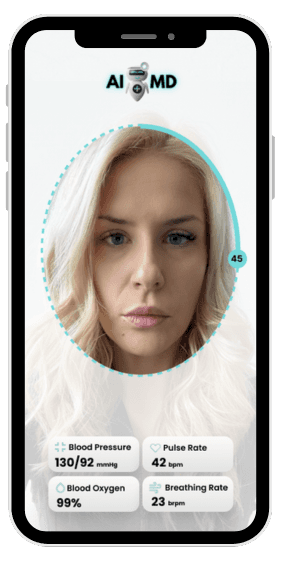
AI-MD can provide similar insights without the need for a wearable device or app. It tracks your body’s signals in real time, helping you understand recovery, activity, and sleep patterns in a straightforward and accessible way.




Get your personalized supplement match today — and join the future of data-driven wellness.