Understanding the Whoop Health Monitor: A Comprehensive Review
7 mins read
What is the Whoop Health Monitor?
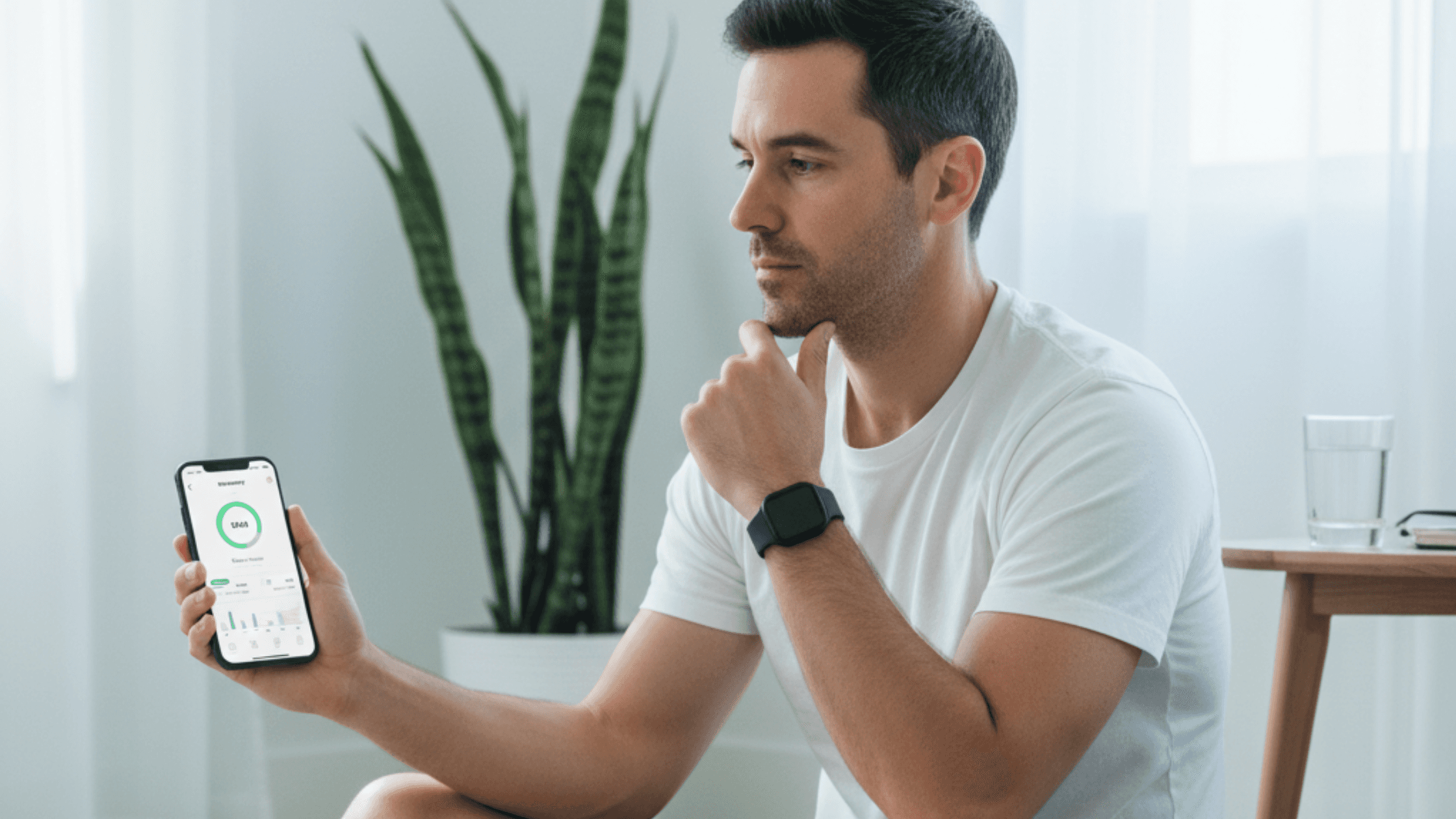
The Whoop Health Monitor is a wearable device designed to provide insights into your body’s performance, recovery, and sleep patterns. Unlike traditional fitness trackers that primarily focus on step counts and calorie expenditure, the Whoop monitor emphasizes the physiological metrics that contribute to your overall health. It operates on a subscription model, providing continuous data analysis and personalized feedback through its accompanying app.
The device itself is a sleek, strap-like accessory worn on the wrist, allowing for unobtrusive monitoring throughout the day and night. It utilizes advanced sensors to track heart rate variability (HRV), resting heart rate (RHR), sleep quality, and strain, offering a comprehensive view of your health metrics.
The Science Behind Heart Rate Variability
One of the standout features of the Whoop Health Monitor is its focus on heart rate variability (HRV). HRV refers to the variation in time between successive heartbeats and is a critical indicator of your autonomic nervous system's function. A higher HRV is often associated with better cardiovascular fitness and a more resilient stress response, while a lower HRV can indicate fatigue or stress.
The Whoop monitor continuously tracks your HRV, providing insights into how well your body is recovering from physical exertion and daily stressors. This data is grounded in established physiological principles, as HRV reflects the balance between the sympathetic nervous system (responsible for the fight-or-flight response) and the parasympathetic nervous system (which promotes relaxation and recovery).
By analyzing your HRV trends over time, the Whoop Health Monitor helps you make informed decisions about your training intensity and recovery strategies, ultimately optimizing your performance and well-being.
Monitoring Resting Heart Rate
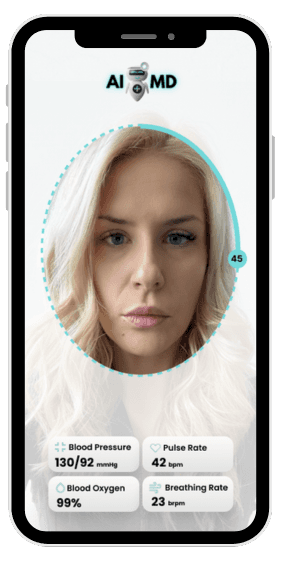
Resting heart rate (RHR) is another essential metric tracked by the Whoop Health Monitor. RHR is the number of heartbeats per minute when you are at rest, and it serves as a valuable indicator of your cardiovascular health and fitness level. Typically, a lower RHR signifies better cardiovascular efficiency and fitness.
The Whoop monitor records your RHR continuously, allowing you to observe fluctuations that may indicate changes in your health status. For instance, an elevated RHR can signal overtraining, illness, or insufficient recovery, while a consistently low RHR may suggest improved fitness levels.
By understanding your RHR trends, you can tailor your training regimen to ensure you are not pushing your body beyond its limits, thereby reducing the risk of injury and burnout.
Sleep Quality Assessment
Sleep is a cornerstone of overall health, and the Whoop Health Monitor excels in providing insights into your sleep patterns. The device tracks various sleep stages, including light, deep, and REM sleep, offering a comprehensive overview of your nightly rest.
Research has shown that quality sleep is crucial for recovery, cognitive function, and emotional well-being. The Whoop monitor analyzes your sleep duration and quality, providing personalized recommendations to enhance your sleep hygiene. For example, it may suggest optimal bedtimes or highlight the impact of daily activities on your sleep quality.
By leveraging the insights from the Whoop monitor, you can make informed adjustments to your lifestyle, promoting better sleep and, consequently, improved overall health.
Understanding Strain and Recovery
The Whoop Health Monitor also emphasizes the importance of balancing strain and recovery. Strain refers to the cumulative physical and mental stress your body experiences throughout the day, while recovery is the process of restoring your body to a baseline state.
The device calculates your daily strain score based on your heart rate data, activity levels, and overall exertion. This score helps you gauge whether you are pushing yourself too hard or if you need to ramp up your activity levels. The goal is to find a harmonious balance between challenging your body and allowing it to recover adequately.
By monitoring your strain and recovery scores, you can optimize your training regimen, ensuring that you are not only improving your fitness but also maintaining your overall health.
Personalized Insights and Recommendations
One of the most compelling aspects of the Whoop Health Monitor is its ability to provide personalized insights and recommendations based on your unique data. The accompanying app analyzes your metrics and delivers tailored feedback to help you achieve your health goals.
For instance, if your HRV is consistently low, the app may recommend additional rest days or stress management techniques. Conversely, if your recovery score is high, it might encourage you to increase your training intensity. This personalized approach is grounded in evidence-based practices, allowing you to make informed decisions about your health and fitness.
Additionally, the Whoop community feature enables you to connect with others who share similar health goals, fostering motivation and accountability in your wellness journey.

How does a health monitor track your sleep patterns?
What features should I look for in a health monitoring device?
How can a health monitor improve athletic performance?
What data does a health monitor collect during workouts?
How does heart rate variability impact overall health?
What are the benefits of using a health monitor for recovery?



Get your personalized supplement match today — and join the future of data-driven wellness.