Whoop Band vs Apple Watch: A Comprehensive Comparison
7 mins read
Understanding the Basics of Each Device
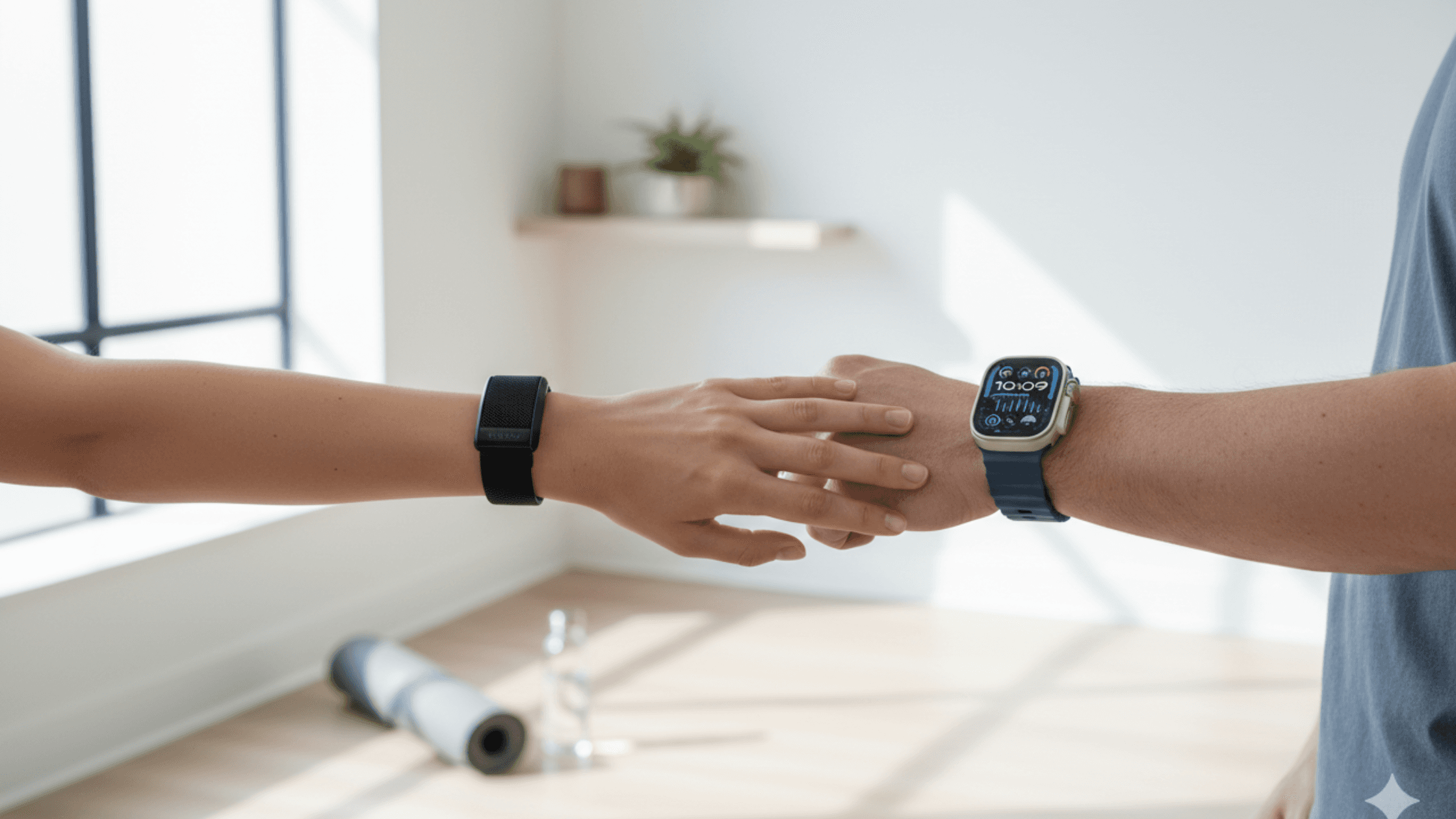
The Whoop Band is primarily designed for athletes and fitness enthusiasts. It focuses on performance tracking, recovery, and strain management. The device is worn continuously, collecting data on your heart rate, sleep patterns, and physical exertion. It operates on a subscription model, providing users with insights through its app based on the data collected.
On the other hand, the Apple Watch is a multifunctional smartwatch that combines fitness tracking with a plethora of additional features. It allows you to receive notifications, make calls, and access various apps, all while tracking your health metrics. The Apple Watch is more versatile in terms of daily use, appealing to a broader audience beyond just fitness enthusiasts.
Health Metrics and Tracking Capabilities
When comparing the Whoop Band vs Apple Watch, one of the most critical aspects is the health metrics each device provides. The Whoop Band excels in tracking specific physiological metrics that are crucial for athletes. It measures heart rate variability (HRV), resting heart rate, and sleep quality, providing insights into your recovery and readiness for training. The Whoop app interprets this data to give you a recovery score, helping you understand when to push hard and when to rest.
The Apple Watch also tracks heart rate, activity levels, and sleep, but its metrics are more generalized. It offers features like ECG readings and blood oxygen monitoring, which can be beneficial for users interested in a broader spectrum of health monitoring. However, while the Apple Watch provides a wealth of data, it may not delve as deeply into recovery and strain management as the Whoop Band does.
User Experience and Interface
User experience is an essential factor when choosing a wearable device. The Whoop Band has a minimalist design, lacking a display screen. Instead, it relies on its app for all interactions. This can be advantageous for those who prefer a distraction-free experience focused solely on health metrics. The app is user-friendly, providing clear insights and recommendations based on your data.
In contrast, the Apple Watch features a vibrant display that allows for easy navigation through its various functions. The interface is intuitive, with customizable watch faces and apps that cater to different needs. If you enjoy having a multifunctional device that blends seamlessly into your daily life, the Apple Watch may be more appealing. However, the complexity of its features might overwhelm users who are primarily interested in fitness tracking.
Battery Life and Charging
Battery life is a crucial consideration when evaluating wearables, especially for those who wish to track their health continuously. The Whoop Band boasts an impressive battery life of about five days, depending on usage. It charges quickly and is designed to be worn at all times, making it convenient for continuous monitoring.
The Apple Watch, while versatile, typically requires daily charging, especially if you use features like GPS tracking or notifications frequently. Depending on the model and usage, you may find yourself needing to charge it every night. If long battery life is a priority for you, the Whoop Band has a distinct advantage in this area.
Pricing and Value Proposition
When considering the Whoop Band vs Apple Watch, pricing plays a significant role in the decision-making process. The Whoop Band operates on a subscription model, which may seem costly over time. Users pay a monthly fee that includes access to the app and its insights. While this may be justifiable for serious athletes seeking detailed performance data, casual users might find it less appealing.
The Apple Watch, on the other hand, is a one-time purchase, with various models available at different price points. Although it may be more expensive upfront, you won’t incur ongoing subscription fees. The value proposition here depends on how you plan to use the device. If you want a comprehensive smartwatch that offers fitness tracking alongside other functionalities, the Apple Watch may provide better value for your investment.
Community and Support
Both devices come with their respective communities and support systems, which can enhance your experience. The Whoop community is centered around performance and recovery, offering forums and discussions focused on optimizing athletic performance. This can be particularly motivating for users who thrive in competitive environments.
The Apple Watch benefits from a broader ecosystem, with access to various fitness apps and integrations. Whether you’re into running, cycling, or yoga, you’ll find a plethora of apps that can enhance your experience. Additionally, the Apple Watch integrates seamlessly with other Apple products, creating a cohesive ecosystem that can be advantageous if you already use Apple devices.

What are the main differences between fitness trackers and smartwatches?
How do heart rate monitoring features compare in different wearable devices?
What metrics do fitness bands typically track that smartwatches might not?
How does battery life vary between different types of wearable technology?
What are the advantages of using a dedicated fitness tracker over a multifunctional smartwatch?
How do user interfaces differ between fitness bands and smartwatches?



Get your personalized supplement match today — and join the future of data-driven wellness.