Understanding Low Estrogen Symptoms in Men
7 mins read

The Role of Estrogen in Men
Estrogen plays an important role in men’s health, supporting bone strength, cognitive function, and sexual health. Maintaining balanced estrogen levels helps ensure overall hormonal harmony and proper physiological function. For men looking to support healthy estrogen balance, targeted estrogen support supplements can be a helpful addition to a wellness routine.
Recognizing Low Estrogen Symptoms
Low estrogen symptoms in men can be subtle and may overlap with other hormonal imbalances.
Some common symptoms include:
Fatigue: A significant drop in estrogen can lead to feelings of tiredness and decreased energy levels. This fatigue is not just physical; it can also affect mental clarity and motivation.
Mood Changes: Estrogen plays a role in mood regulation. Low levels may contribute to increased irritability, anxiety, or even depression. You might find yourself feeling more emotionally volatile or experiencing mood swings.
Decreased Libido: While testosterone is often viewed as the primary hormone for sexual desire, estrogen also plays a role. Low estrogen levels can lead to a reduced interest in sex, affecting your overall sexual health.
Bone Health Issues: Estrogen is vital for maintaining bone density. Low levels can increase the risk of osteoporosis and fractures, making it essential to monitor your bone health as you age.
Weight Changes: Hormonal imbalances can lead to changes in body composition. Low estrogen may contribute to increased fat accumulation, particularly around the abdomen, while muscle mass may decrease.
Hot Flashes and Sweating: Although more commonly associated with menopause in women, men can experience similar symptoms due to low estrogen levels. You might notice sudden feelings of warmth or excessive sweating.
Causes of Low Estrogen in Men
Understanding the underlying causes of low estrogen levels can help you address the issue more effectively.
Several factors may contribute to low estrogen in men:
Aging: As men age, testosterone levels naturally decline, which can lead to decreased estrogen production. This hormonal shift can result in the symptoms mentioned earlier.
Obesity: Excess body fat can lead to increased aromatase activity, which converts testosterone to estrogen. However, if testosterone levels drop significantly, it can lead to a relative deficiency of estrogen.
Medical Conditions: Certain health conditions, such as hypogonadism, can impact hormone production. Chronic illnesses, liver disease, and hormonal disorders can also contribute to low estrogen levels.
Medications: Some medications, particularly those used to treat prostate cancer or other hormonal therapies, can lower estrogen levels. It’s essential to discuss any medication side effects with your healthcare provider.
Lifestyle Factors: Poor diet, lack of exercise, and high-stress levels can all negatively impact hormonal balance. A sedentary lifestyle and unhealthy eating habits can exacerbate the symptoms of low estrogen.
Nutritional Strategies to Support Hormonal Balance
Nutrition plays a vital role in maintaining hormonal health
Here are some dietary strategies that may help support estrogen levels:
Incorporate Healthy Fats: Healthy fats, such as those found in avocados, nuts, seeds, and olive oil, are essential for hormone production. Including these fats in your diet can help support overall hormonal balance.
Focus on Whole Foods: A diet rich in whole foods, including fruits, vegetables, whole grains, and lean proteins, provides the necessary nutrients for optimal hormone function. These foods are also high in antioxidants, which can help reduce inflammation and support overall health.
Consider Phytoestrogens: Foods containing phytoestrogens, such as flaxseeds, soy products, and legumes, may help balance estrogen levels. While they mimic estrogen in the body, they can also help regulate hormone levels when consumed in moderation.
Limit Processed Foods: Processed foods often contain unhealthy fats, sugars, and additives that can disrupt hormonal balance. Reducing your intake of these foods can help support overall health and hormonal function.
Stay Hydrated: Proper hydration is crucial for overall health and can impact hormone regulation. Aim to drink plenty of water throughout the day to support your body's functions.
Monitor Alcohol Intake: Excessive alcohol consumption can negatively affect hormone levels, including estrogen. Moderation is key; consider limiting your intake to support hormonal health.
When to Seek Medical Advice
If you suspect you are experiencing low estrogen symptoms, it is essential to consult with a healthcare professional. They can conduct tests to assess your hormone levels and determine the underlying causes of your symptoms. Early intervention can help prevent further complications and improve your quality of life.
Your healthcare provider may recommend lifestyle changes, nutritional adjustments, or hormone replacement therapy, depending on the severity of your symptoms and the underlying causes. It is crucial to approach hormonal health holistically, considering all aspects of your lifestyle and well-being.
The Importance of Regular Health Check-ups
Regular health check-ups are vital for monitoring hormonal health. As you age, your hormone levels may fluctuate, and staying informed can help you make proactive decisions about your health. Discussing any changes in your mood, energy levels, or sexual health with your doctor can lead to early detection and treatment of hormonal imbalances.
Incorporating routine blood tests to check hormone levels can provide valuable insights into your overall health. This proactive approach allows you to address any imbalances before they lead to more significant health issues.
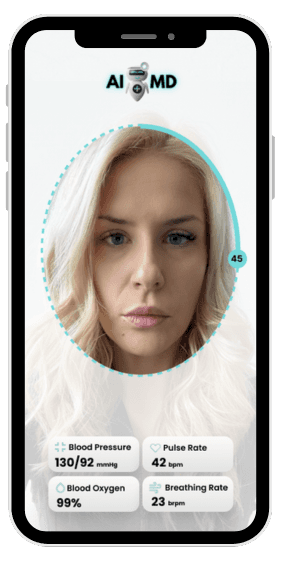
You can also use AI-MD’s free scan to gain gentle, non-diagnostic feedback on how your lifestyle, sleep, and daily habits may be influencing hormonal balance and overall wellness, giving you additional insights alongside professional monitoring.
Understanding low estrogen symptoms in men is essential for maintaining hormonal health and overall well-being. By recognizing the signs, addressing the underlying causes, and implementing nutritional strategies, you can support your hormone levels and enhance your quality of life. Remember, your health is a journey, and staying informed is key to navigating it successfully.

What are the common signs of low estrogen in men?
How does low estrogen affect men's mood and behavior?
Can low estrogen levels lead to weight gain in men?
What lifestyle changes can help manage low estrogen symptoms in men?
Are there any long-term effects of low estrogen in men?
How can men recognize if they have low estrogen levels?


Get your personalized supplement match today — and join the future of data-driven wellness.