Understanding HRV Devices: Are They Worth the Investment?
7 mins read
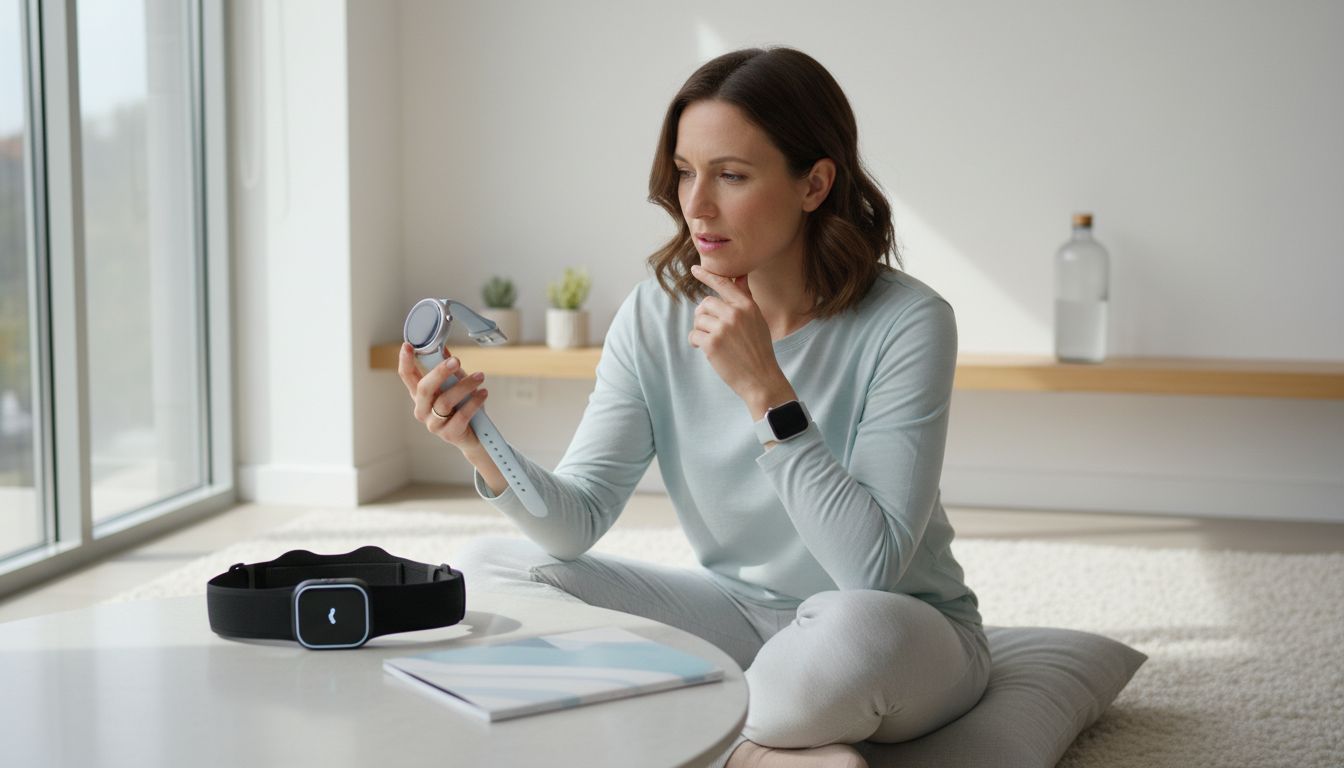
What is Heart Rate Variability?
Heart Rate Variability (HRV) refers to the variation in time intervals between heartbeats. Unlike a steady heartbeat, HRV shows how well your body can respond to physical and emotional stressors. The autonomic nervous system, which controls involuntary bodily functions, has two main branches: the sympathetic nervous system (responsible for the "fight or flight" response) and the parasympathetic nervous system (which promotes "rest and digest" activities).
A higher HRV generally indicates a well-functioning autonomic nervous system, meaning your body can efficiently switch between these two states. On the other hand, a lower HRV can signal stress, fatigue, or potential health issues. HRV can be affected by factors such as sleep quality, physical activity, nutrition, and mental well-being.
How Do HRV Devices Work?
HRV devices, often integrated into wearables like smartwatches and fitness trackers, measure your heart rate and the intervals between beats. These devices utilize photoplethysmography (PPG) or electrocardiogram (ECG) technology to capture heart rate data.
Photoplethysmography (PPG): This method uses light to measure blood volume changes in your microvascular bed. By shining a light on your skin and detecting the amount of light absorbed or reflected, the device can estimate your heart rate and calculate HRV.
Electrocardiogram (ECG): This more precise method records the electrical activity of your heart through electrodes placed on your skin. ECG provides a more accurate measurement of HRV, making it the preferred choice for clinical settings.
Once the data is collected, the device analyzes the intervals between heartbeats and calculates various HRV metrics, such as the standard deviation of NN intervals (SDNN) or the root mean square of successive differences (RMSSD). These metrics can provide insights into your stress levels, recovery status, and overall cardiovascular health.
Benefits of Monitoring HRV
Investing in an HRV device can offer several benefits, particularly if you are focused on health optimization.
Here are some key advantages:
Stress Management: By tracking your HRV, you can gain insights into how your body responds to stress. A sudden drop in HRV may indicate that you are experiencing heightened stress levels, allowing you to take proactive measures such as practicing mindfulness, engaging in relaxation techniques, or adjusting your workload.
Recovery Tracking: For athletes and fitness enthusiasts, HRV can serve as a valuable tool for monitoring recovery. A consistently low HRV may suggest that your body has not fully recovered from previous workouts, prompting you to modify your training intensity or incorporate more rest days.
Sleep Quality Assessment: HRV is closely linked to sleep quality. Monitoring your HRV during sleep can help you identify patterns that affect your rest. For instance, a decrease in HRV during the night may indicate poor sleep quality, prompting you to evaluate your sleep environment or bedtime routine.
Overall Health Insights: Regularly tracking HRV can help you identify trends in your health over time. Changes in HRV can be indicative of underlying health issues, such as cardiovascular problems or chronic stress, allowing for early intervention and lifestyle adjustments.
Limitations and Considerations
While HRV devices can provide valuable insights, it’s essential to approach the data with a critical eye.
Here are some limitations to consider:
Variability in Readings: HRV can fluctuate based on numerous factors, including hydration levels, caffeine intake, and even the time of day. This variability means that a single reading may not provide a complete picture of your health.
Device Accuracy: The accuracy of HRV measurements can vary significantly between devices. While ECG-based devices tend to be more reliable, PPG devices may be influenced by factors such as motion artifacts or skin tone. It’s crucial to choose a reputable brand and understand the limitations of the technology.
Context Matters: HRV should not be viewed in isolation. It’s essential to consider other health metrics, such as physical activity levels, sleep quality, and mental well-being, to gain a comprehensive understanding of your overall health.
Not a Diagnostic Tool: While HRV can provide insights into your health, it is not a diagnostic tool. If you have concerns about your health, it’s essential to consult with a healthcare professional rather than relying solely on HRV data.
Choosing the Right HRV Device
If you decide to invest in an HRV device, consider the following factors to ensure you choose the right one for your needs:
Measurement Method: Decide whether you prefer a PPG or ECG device. If accuracy is your primary concern, an ECG device may be the better choice. However, PPG devices can still provide useful insights for general wellness tracking.
User Experience: Look for a device that offers a user-friendly interface and seamless integration with your smartphone or other health apps. An intuitive design will make it easier to track your progress and understand your data.
Battery Life and Durability: Consider the battery life and durability of the device, especially if you plan to wear it during workouts or while sleeping. A device with a longer battery life will require less frequent charging, making it more convenient for daily use.
Additional Features: Many HRV devices come with additional features, such as sleep tracking, activity monitoring, and guided breathing exercises. Consider which features are important to you and how they align with your health goals.
Making the Most of Your HRV Data
Once you start tracking heart rate variability (HRV), it’s important to use the insights effectively to support your wellness goals.
Tips for making the most of your HRV readings:
Establish a Personal Baseline: Track your HRV consistently to understand what is typical for your body. Knowing your baseline makes it easier to notice meaningful changes in stress, recovery, or overall wellness.
Monitor Trends Over Time: Focus on patterns rather than individual readings. Observing trends provides a clearer picture of how your body responds to daily routines and helps guide lifestyle choices.
Incorporate Wellness Practices: Use HRV insights to inform holistic wellness strategies. If your HRV shows higher stress, consider meditation, deep breathing, or gentle movement to support recovery.
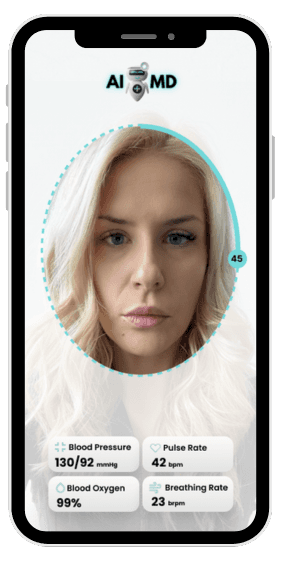
Choose Your Tool: You can use a traditional wearable HRV device, or a device-free option like AI‑MD. With AI‑MD, a simple scan using your smartphone captures heart rate patterns, circulation, and stress responses, providing personalized reflections on recovery and overall wellness.
By using AI‑MD or a wearable, you can understand your body in real time and make informed wellness decisions. Whether your goal is enhancing recovery, improving stress management, or optimizing overall health, AI‑MD offers a convenient, device-free way to track your HRV and support your well-being.

What is the purpose of an HRV device?
How does an HRV device measure heart rate variability?
What factors can affect the readings of an HRV device?
Can an HRV device be used for stress management?
What are the benefits of tracking heart rate variability with a device?
How often should you use an HRV device for accurate results?



Get your personalized supplement match today — and join the future of data-driven wellness.