The Benefits of Screenless Fitness Trackers
7 mins read
Published Feb 4, 2026

Understanding Athletic Recovery
Athletic recovery is an essential part of any fitness routine. It’s the process your body goes through to restore itself after physical activity, involving muscle repair, energy replenishment, and the body’s natural response to physical stress. Recovery isn’t just about taking time off—it’s about allowing your body to adapt, rebuild, and prepare for future performance. When recovery is managed well, it can support better performance, reduce the risk of injury, and improve overall wellness.
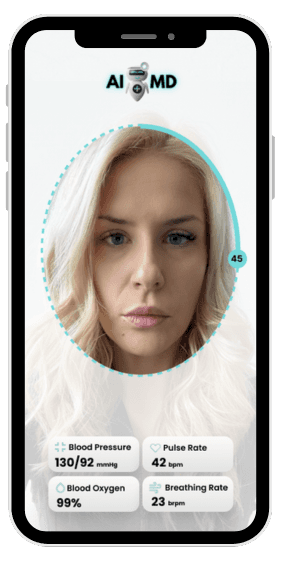
Tools like screenless fitness trackers support recovery by highlighting key signals without constant distractions. In a similar way, AI-MD offers a device-free alternative by using a simple smartphone scan to reflect how your body is responding to training, stress, and rest. By focusing on core physiological patterns rather than overwhelming data, AI-MD helps you tune in to your body and take a more intuitive, informed approach to recovery.
Simplified Data for Better Decision-Making
One of the main benefits of screenless fitness trackers is their ability to keep data simple and focused. Rather than overwhelming you with charts and constant updates, these tools highlight a few essential signals—such as heart rate, sleep patterns, and daily activity—that matter most for recovery. This pared-down approach makes it easier to focus on how your body is actually responding to training.
Heart rate variability (HRV), for example, can offer valuable clues about recovery and readiness. Higher HRV is often associated with better adaptation and resilience, while lower HRV may signal the need for additional rest. Screenless trackers present this information quietly, without notifications or visual noise. Similarly, AI-MD can reflect HRV trends and recovery signals through a simple smartphone scan, helping you make informed training decisions without relying on constant data checking.
Encouraging Mindfulness and Body Awareness
Using a screenless tracker can encourage a more intentional and body-aware approach to fitness. Without a screen drawing your attention, you’re more likely to stay tuned in to physical sensations and internal cues rather than numbers alone. This awareness can be especially helpful during recovery periods, when listening to your body matters most.
You may begin to notice subtle signs like lingering soreness, low energy, or mental fatigue—signals that can be easy to miss when you’re focused on stats. Tools like screenless fitness trackers, or device-free options such as AI-MD, support this mindful approach by offering guidance without distraction, helping you better decide when to rest, recover, or gradually increase intensity.
Reducing Screen Time for Enhanced Recovery
In a world where screen exposure is at an all-time high, cutting back on screens can meaningfully support recovery. Excessive screen time has been associated with disrupted sleep, elevated stress, and prolonged inactivity—all of which can slow down the body’s ability to recover. Screenless fitness trackers help remove these distractions, allowing you to focus on recovery without the constant pull of notifications or social media.
Sleep quality plays a central role in athletic recovery, and limiting screen use in the evening can significantly improve sleep hygiene. Blue light from phones and wearables can suppress melatonin production, making it harder to fall asleep. Screenless trackers—and low-interaction tools like AI-MD, which don’t require continuous screen engagement—support a more restful nighttime routine, helping your body enter deeper, more restorative sleep.
Fostering Consistency in Your Routine
Consistency is one of the most important factors in effective recovery. Screenless fitness trackers support habit-building by quietly tracking progress and offering subtle cues, rather than overwhelming you with constant data. Simple vibrations or alerts can encourage light movement, posture changes, or rest—small actions that add up over time.
For example, if you’ve been inactive for too long, a gentle reminder to stand or stretch can improve circulation and reduce stiffness. Similarly, AI-MD allows you to check recovery-related trends only when needed, reinforcing consistency without demanding daily screen interaction. This low-pressure approach helps recovery become a sustainable part of your routine rather than another task to manage.
Supporting Holistic Health and Well-Being
Screenless fitness trackers often support a broader, more holistic approach to wellness. By emphasizing core metrics and body awareness, they encourage balance between training, recovery, and mental well-being. This perspective recognizes that long-term performance depends not just on workouts, but on sleep, stress management, and emotional health.
Recovery practices such as gentle stretching, breathwork, yoga, or meditation can work hand-in-hand with insights from screenless trackers or AI-MD. By listening to your body and prioritizing recovery alongside activity, you create a foundation for sustainable health, reduced injury risk, and improved athletic performance over time.



Get your personalized supplement match today — and join the future of data-driven wellness.