Maximizing Your Fitness: Understanding Whoop Steps
7 mins read
Published Feb 13, 2026
What Are Whoop Steps?
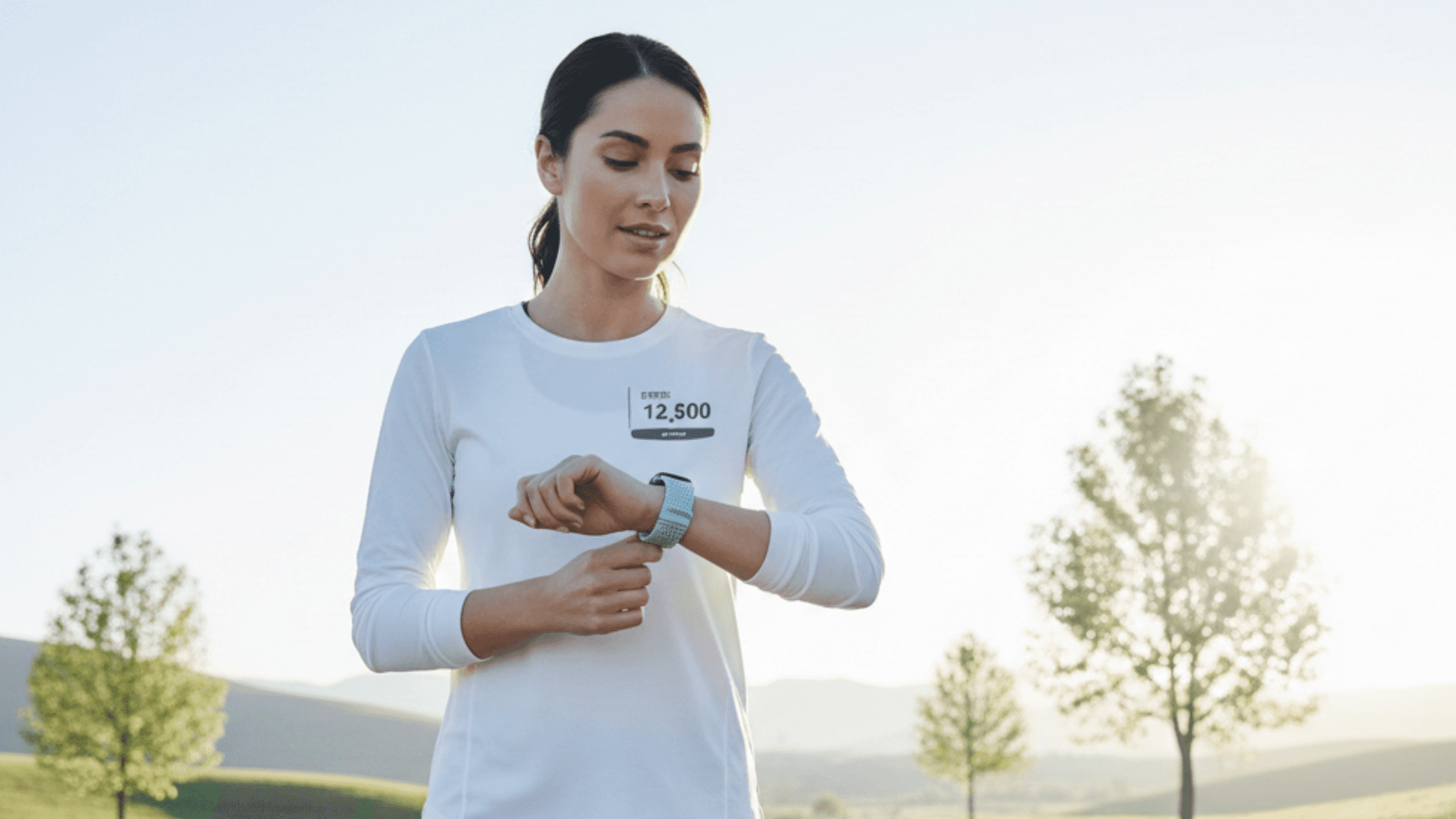
Whoop steps refer to the step count tracked by the Whoop strap, a wearable device designed to monitor various physiological metrics, including heart rate, sleep quality, and recovery. Unlike traditional pedometers that simply count steps, Whoop integrates this data with other health indicators to provide a comprehensive view of your fitness level and recovery status.
The Whoop strap uses a combination of accelerometers and gyroscopes to accurately measure your movement throughout the day. This data is then analyzed in conjunction with other metrics, such as heart rate variability (HRV) and sleep patterns, to give you a clearer picture of how your activity levels impact your overall health and recovery.
The Importance of Step Tracking in Athletic Recovery
Understanding your step count is crucial for managing your athletic recovery. Engaging in physical activity without proper recovery can lead to overtraining, which may hinder your performance and increase the risk of injury. Whoop steps help you gauge your daily activity levels, allowing you to balance workouts with rest effectively.
When you monitor your steps, you can identify patterns in your activity that may affect your recovery. For example, if you notice that your step count is significantly lower on days following intense workouts, it may indicate that your body needs more time to recover. Conversely, if you find that your step count is consistently high without adequate rest, it could signal a need to adjust your training regimen to prevent burnout.
How Whoop Steps Influence Your Recovery Metrics
The Whoop strap does more than just count steps; it also correlates this data with your recovery metrics. Recovery is a multifaceted process influenced by various factors, including sleep quality, hydration, and nutrition. By analyzing your Whoop steps alongside these metrics, you can gain insights into how your daily activity impacts your recovery.
For instance, research has shown that moderate physical activity can enhance recovery by promoting blood circulation and reducing muscle soreness. By tracking your Whoop steps, you can ensure that you are engaging in enough movement to facilitate recovery without overexerting yourself. This balance is essential for athletes who need to maintain peak performance while minimizing the risk of injury.
Optimizing Your Fitness with Whoop Steps
To maximize the benefits of Whoop steps, consider integrating them into your overall fitness strategy.
Here are several practical tips to help you optimize your fitness journey using this data:
Set Realistic Goals: Use your Whoop step data to establish achievable daily step goals. Gradually increase your target as you become more accustomed to regular activity. This approach can help you build a sustainable fitness routine.
Listen to Your Body: Pay attention to how your body responds to different activity levels. If you notice that higher step counts correlate with increased fatigue or decreased recovery metrics, it may be time to dial back your activity.
Incorporate Active Recovery: Utilize your Whoop steps to plan active recovery days. Engaging in low-impact activities, such as walking or yoga, can help you maintain movement while allowing your body to recover.
Monitor Trends: Regularly review your Whoop step data to identify trends over time. Look for patterns that may indicate when you perform best or when you need to prioritize recovery.
Combine Data for Holistic Insights: Integrate your Whoop step data with other metrics, such as sleep quality and HRV, to gain a comprehensive understanding of your health. This holistic approach can help you make informed decisions about your training and recovery.
The Role of Wearables in Modern Fitness
Wearables like the Whoop strap have revolutionized how we approach fitness and recovery. By providing real-time data on various health metrics, these devices empower you to take control of your wellness journey. The ability to track Whoop steps, alongside other indicators, allows for a more personalized approach to fitness.
As technology continues to advance, wearables will likely become even more sophisticated, offering deeper insights into our bodies. The integration of artificial intelligence and machine learning may enhance the accuracy of data interpretation, providing tailored recommendations based on individual needs.
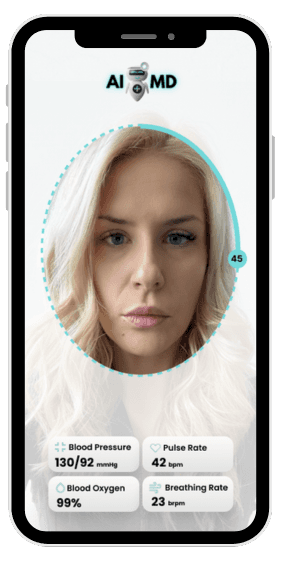
Complementing these insights, AI-MD provides a free, instant scan that evaluates subtle signs from your body, such as breathing patterns, facial cues, and voice signals. This helps you understand how your routines, recovery, and lifestyle choices are affecting overall wellness, giving gentle, actionable reflections to support your fitness journey alongside wearable data.
Future Trends in Fitness Tracking
As the fitness industry evolves, the role of wearables will expand beyond simple tracking. Future trends may include enhanced data analytics, improved user interfaces, and even more personalized feedback mechanisms. For example, advancements in biometric sensors could lead to more accurate assessments of recovery needs based on real-time physiological responses.
Moreover, the growing emphasis on mental health and wellness may influence how wearables track and report data. Features that monitor stress levels, mood fluctuations, and overall mental well-being could become integral components of fitness tracking devices, providing a more comprehensive view of health.
In summary, understanding Whoop steps and their implications for athletic recovery can significantly enhance your fitness journey. By leveraging this data, you can make informed decisions about your training, optimize your recovery, and ultimately achieve your health and fitness goals. Embrace the power of wearables, and take charge of your wellness today.

How does tracking whoop steps improve fitness routines?
What factors can affect the accuracy of whoop step counts?
Can whoop steps be used to measure overall health and wellness?
What is the significance of daily whoop step goals?
How do whoop steps compare to traditional pedometer readings?
What are the benefits of monitoring whoop steps during workouts?



Get your personalized supplement match today — and join the future of data-driven wellness.