Exploring the Benefits of 5G Creatine for Athletic Performance
7 mins read
Published Jan 23, 2026

Understanding Creatine and Its Role in Energy Production
Creatine is a naturally occurring compound found in small amounts in certain foods and synthesized in the body from amino acids. It is primarily stored in muscles as phosphocreatine, which serves as a quick energy source during high-intensity activities. When you engage in short bursts of intense exercise, such as sprinting or weightlifting, your body relies on phosphocreatine to regenerate adenosine triphosphate (ATP), the primary energy currency of the cell.
Supplementing with creatine increases the availability of phosphocreatine, allowing for more rapid ATP regeneration. This is particularly beneficial during repeated bouts of high-intensity exercise, where energy demands exceed what can be supplied by aerobic metabolism. By taking 5g creatine daily, you can enhance your muscle's energy reserves, leading to improved performance in both strength and endurance activities.
Enhancing Athletic Performance with 5g of Creatine Daily
The benefits of 5g creatine extend beyond just energy production. Creatine supplementation can enhance various aspects of athletic performance. For instance, it can improve strength, increase lean muscle mass, and boost overall exercise performance.
When you engage in resistance training, creatine supplementation can lead to greater gains in muscle strength and size. This is partly due to the increased water retention in muscle cells, which can create a more anabolic environment conducive to muscle growth. Additionally, creatine can improve performance in high-intensity interval training (HIIT) and sprinting, where quick bursts of energy are crucial.
Moreover, creatine may also enhance cognitive performance during intense physical activity. It can improve mental clarity and focus, which can be particularly advantageous during competitive events or demanding training sessions. With 5g creatine, you can potentially elevate both your physical and mental performance, giving you an edge in your athletic pursuits.
The Role of 5G Creatine in Recovery
Recovery is a critical component of any training regimen, and 5g creatine can play a significant role in this process. After intense exercise, your muscles experience microtears and depletion of energy stores. Creatine supplementation can aid in recovery by promoting faster replenishment of phosphocreatine stores and reducing muscle soreness.
Creatine supplements can help decrease markers of muscle damage and inflammation following strenuous exercise. This can lead to a quicker return to baseline muscle function and readiness for subsequent workouts. Additionally, creatine may enhance glycogen storage in muscles, allowing for more efficient energy replenishment post-exercise.
By incorporating 5g creatine into your daily routine, you can support your body’s recovery processes, enabling you to train harder and more frequently without the prolonged fatigue that often accompanies intense exercise.
Safety and Efficacy of 5G Creatine Supplementation
When taking any supplement, safety and effectiveness matter. Creatine, at a typical dose of 5g per day, is generally safe for healthy individuals. Concerns like kidney problems or dehydration are mostly not an issue when used normally.
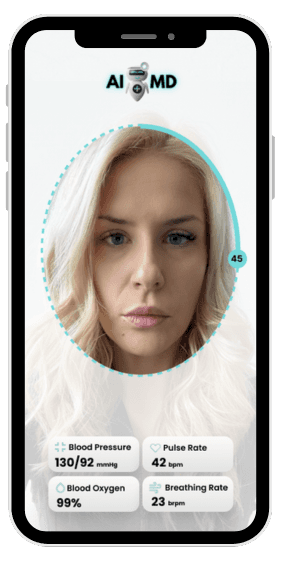
Everyone’s body is different, though. With AI-MD, you can track how creatine affects your energy, recovery, and overall wellness in real time, giving you personalized insights so you know it’s working safely and effectively for you.
Timing and Method of Creatine Supplementation
To maximize the benefits of 5g creatine, timing and method of supplementation can play a crucial role. While some athletes prefer to load creatine with higher doses initially, a consistent daily dose of 5g is sufficient for maintaining elevated muscle creatine levels over time.
You can take creatine at any time of the day; however, post-workout supplementation may be particularly effective. This timing aligns with your body’s heightened insulin sensitivity after exercise, which can enhance creatine uptake into muscle cells. Additionally, combining creatine with carbohydrates or protein can further improve absorption and effectiveness.
Consistency is key when it comes to creatine supplementation. Taking 5g daily, regardless of workout days, helps maintain elevated creatine levels in your muscles, ensuring that you are always primed for optimal performance.
Individual Responses to 5G Creatine
While many athletes experience significant benefits from creatine supplementation, individual responses can vary. Factors such as muscle fiber composition, diet, and overall training regimen can influence how effectively your body utilizes creatine. Some individuals, often referred to as "responders," may see substantial improvements in performance and recovery, while others may experience more modest effects.
To determine your response to 5g creatine, consider tracking your performance metrics and recovery times over several weeks. This data can help you assess whether creatine supplementation is a valuable addition to your training regimen. If you find that you are not experiencing the expected benefits, it may be worth exploring other aspects of your training, nutrition, or supplementation strategy.
By understanding the science behind 5g creatine and its effects on athletic performance and recovery, you can make informed decisions about incorporating this supplement into your routine. Whether you are a seasoned athlete or just starting your fitness journey, 5g creatine may offer the support you need to reach your goals.

What are the benefits of taking 5g creatine daily?
How does 5g creatine affect athletic performance?
Can 5g creatine help with muscle recovery?
What is the best time to take 5g creatine?
Are there any side effects of consuming 5g creatine?
How does 5g creatine compare to other forms of creatine?



Get your personalized supplement match today — and join the future of data-driven wellness.